I never really expected to go to Cuba. It belonged to a slightly improbable collection of things I knew about without expecting to encounter: the missile crisis, pirates, Che Guevara, old cars, music. A country with a very distinct personality, very far away. Interesting, certainly. But there always seemed to be somewhere easier to go.
Lena had a much more specific reason to want to visit. She loves Hemingway, and had long wanted to see the places where he lived and worked. When we started thinking about our honeymoon, I suggested Cuba. A country I had barely considered visiting suddenly became a place I was trying quite hard to reach.
My usual approach would have been to book flights, rent a car, and work out the rest ourselves. Almost everyone with experience of Cuba advised against this. The car would be expensive, fuel might be difficult to find, accommodation and payments required their own research, and reliable internet could not be assumed. As we prepared, the reports about fuel and electricity became less reassuring. We packed power banks and eventually booked a guided tour, with a few days in Varadero afterwards and a final stay in Havana on our own.
We went in January and February 2026, for about two weeks. Getting there took almost an entire day. By the time we reached Havana, we were exhausted, and I still had trouble believing we were actually in Cuba. It was not an especially glamorous beginning to a honeymoon, but we had made it.
Havana
Our guide was called Marta. She had spent time in Moscow, spoke Russian well, and had a habit of answering questions with a very quick double yes: da-da. I can still hear it. Our entire tour group consisted of us and one other woman, who turned out to live in our own neighbourhood back home. We had travelled all that way to meet someone from nearby.
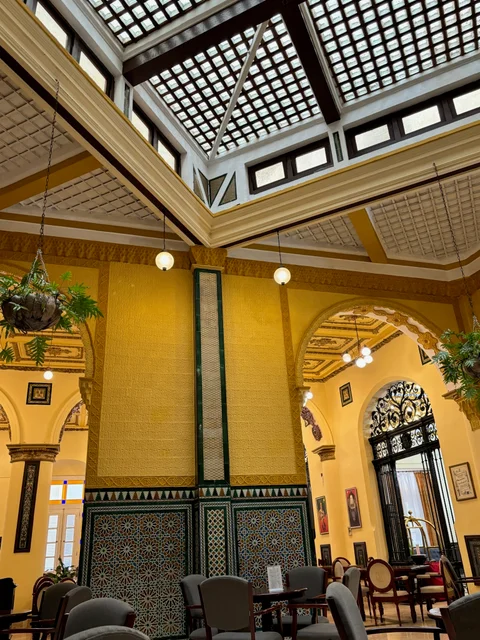
We stayed at the Inglaterra, an old hotel with beautiful public rooms, plants in the halls, and corridors arranged with considerable disregard for anyone trying to find their bedroom. We ate our first, surprisingly expensive sandwiches in a lovely room downstairs. Upstairs, the atmosphere was less impressive. Something in our room made noise, the plumbing behaved unpredictably, and the doors did not close properly, including the one separating us from the corridor.
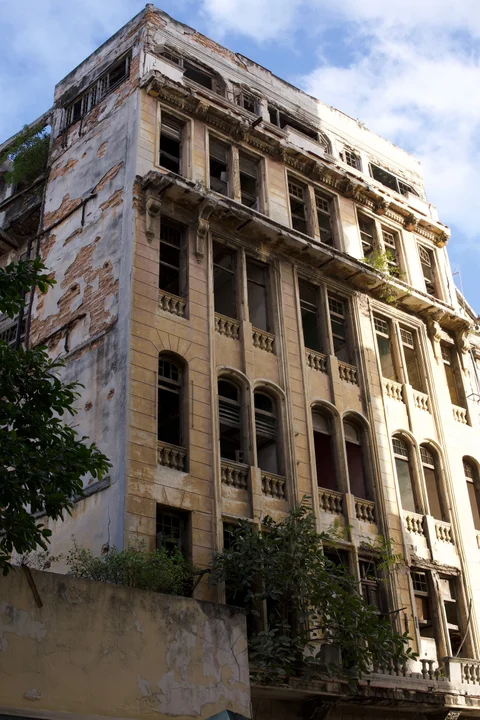
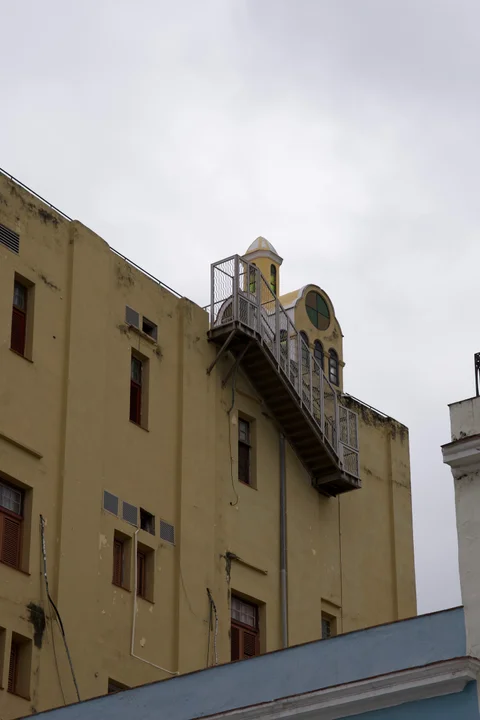
The hotel still had plenty of beauty. It also needed repairs that seemed to have been postponed for a very long time. Walking through it meant moving between those two impressions without ever quite losing either.
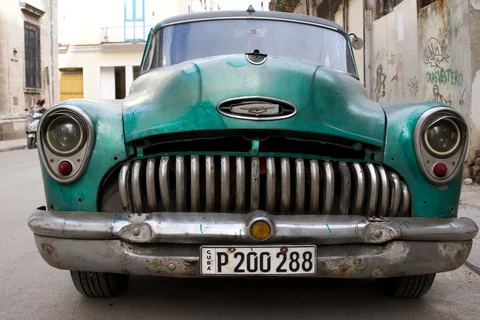
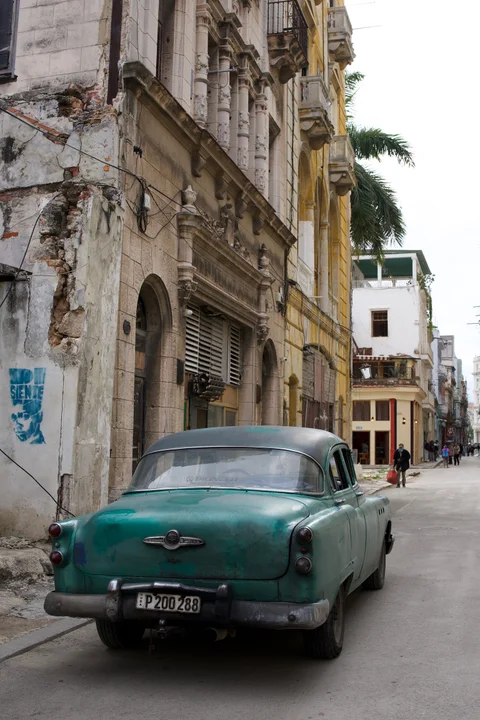
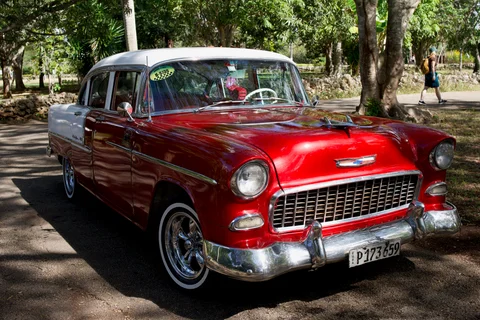
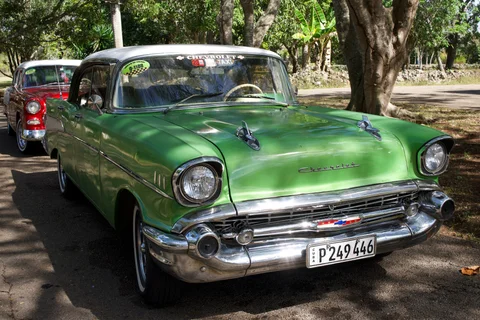
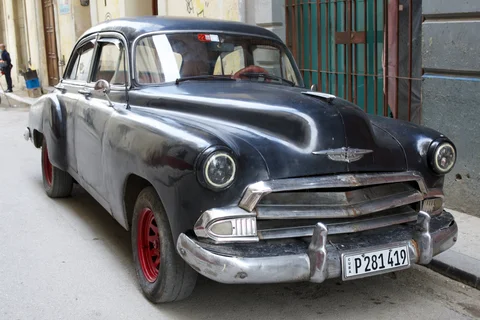
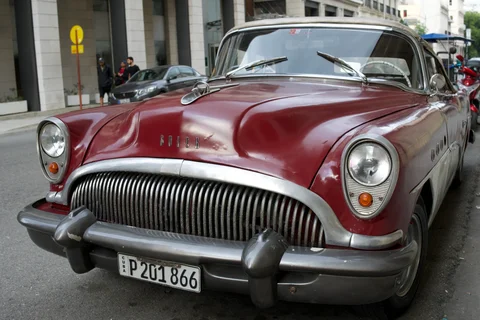
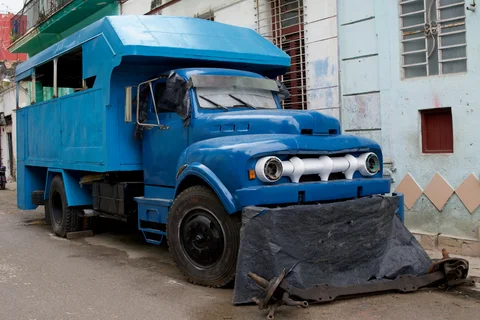
Outside, the old cars were waiting. This was something we had both wanted to see. Before the trip, Lena had pictured me in a sleeveless shirt behind the wheel of a vintage convertible. The decision not to rent a car had made that particular scene unlikely, but there was still a great deal to look at around the large junction outside our hotel.
Lena was delighted immediately. “Dimochka, are we really in Havana? Are we actually in Cuba?” I could hardly believe it either, though my version of disbelief involved rather more caution.
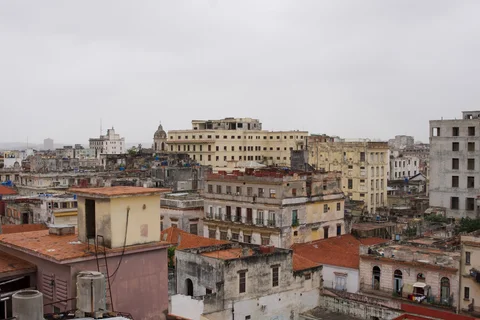
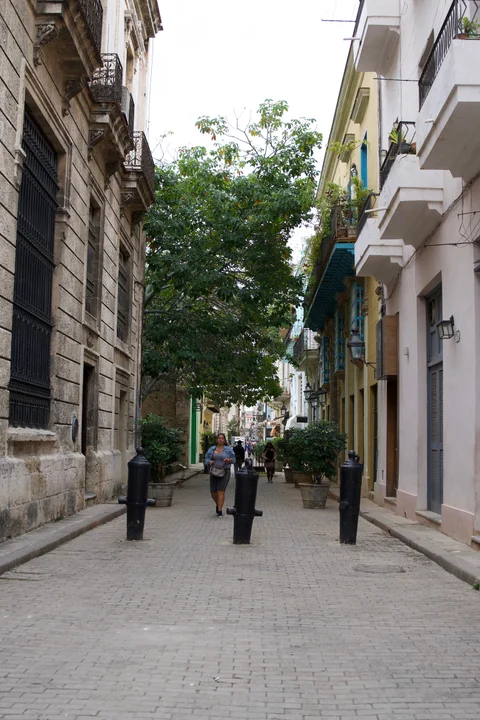
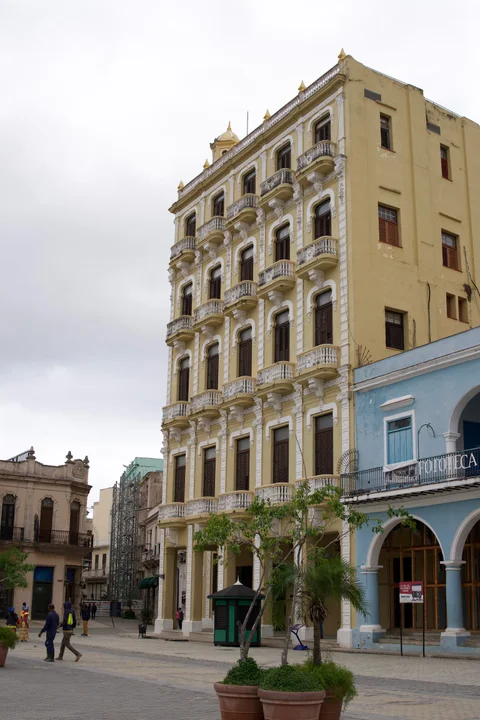
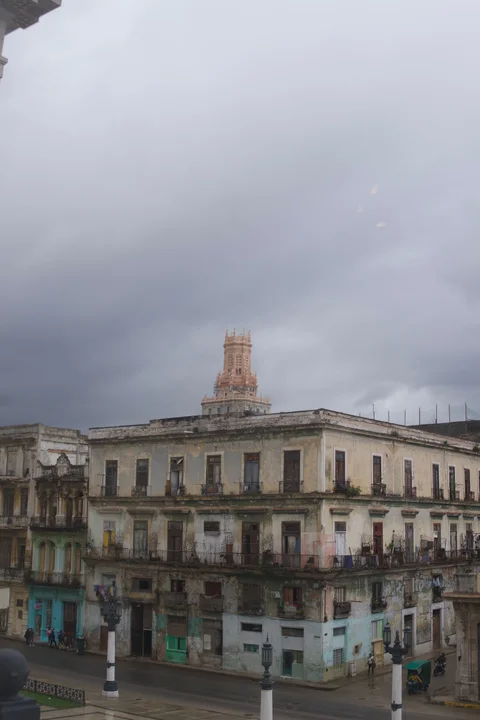
Some of the buildings around the Capitol were in startling condition: missing roofs, trees growing through them, sections that looked almost like ruins. We had also been warned about streets going dark at night. I was suddenly much more conscious of the expensive camera hanging from my neck. I had never felt the gap in incomes so directly. It took me a while to stop feeling quite so conspicuous and begin enjoying the walk.
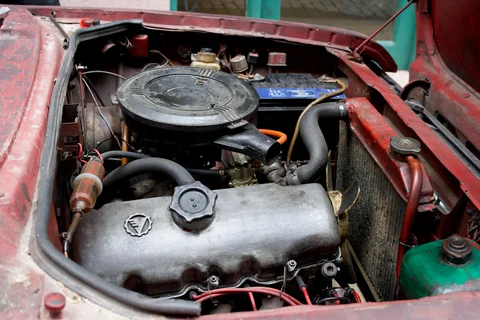
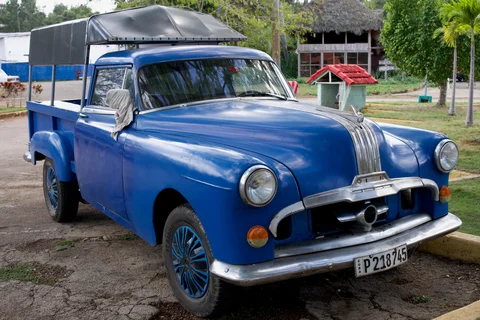
Then I spotted a red Moskvich. “That’s a Moskvich! A little hello from home!” I exclaimed. Its owner came over and showed me the interior, then what was under the bonnet. He was delighted by my interest in his car. We kept noticing how proud people were of their cars in Cuba.
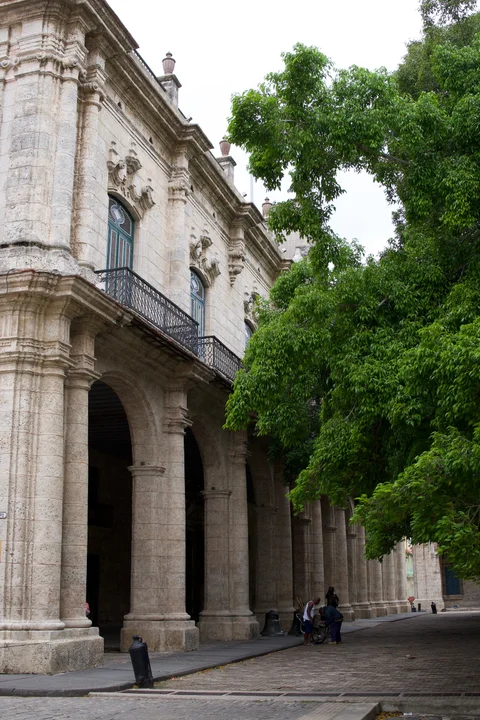
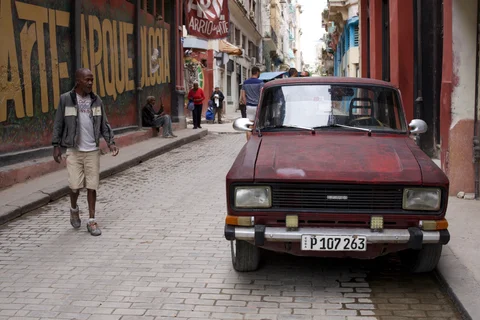
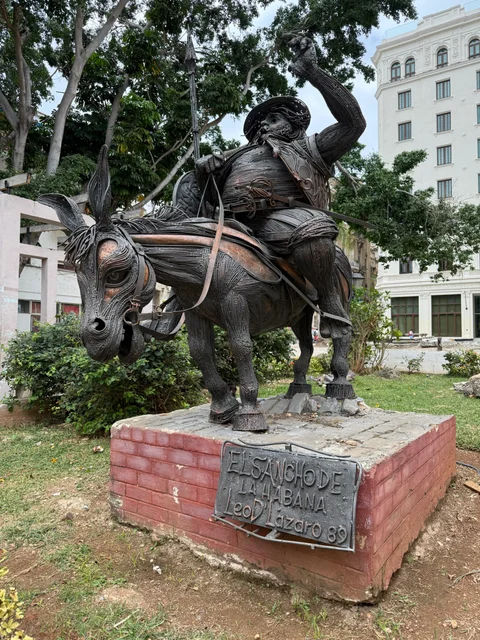
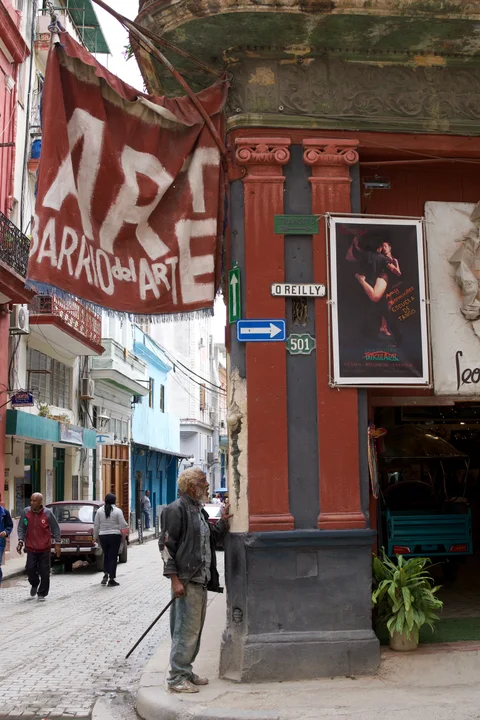
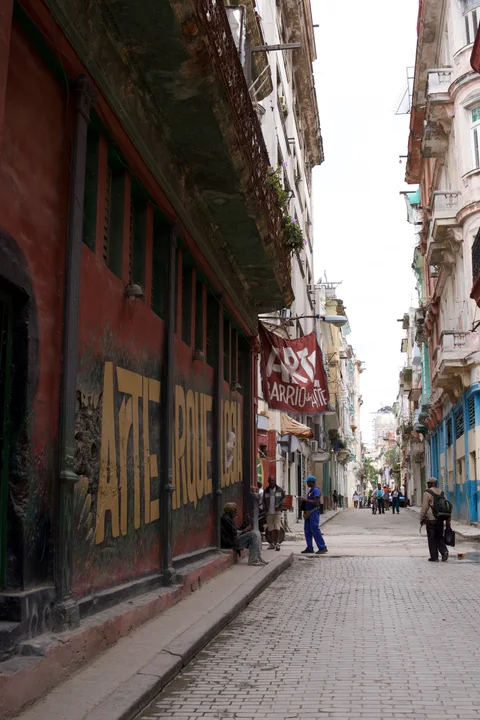
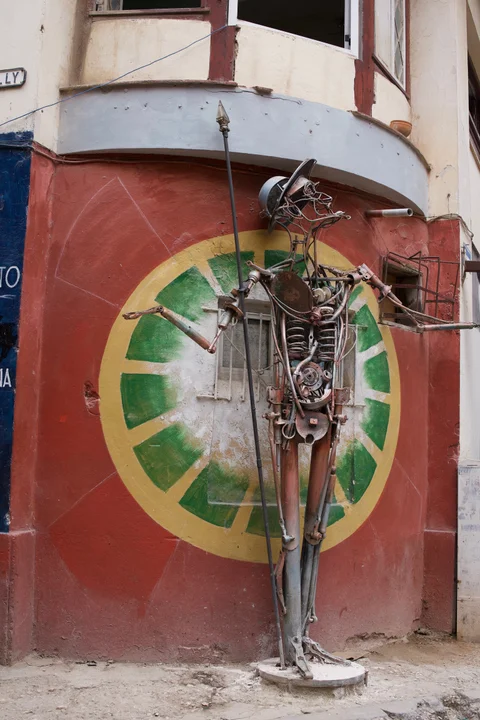
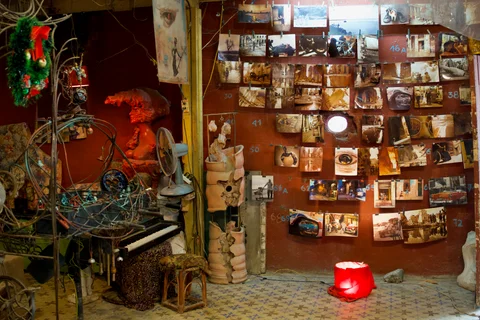
What gradually drew me in were the workshops and little galleries. People were making things, displaying paintings, selling odd objects, getting on with projects of their own. One image that stays with me is the entrance to a workshop: graffiti, a huge red banner, and an older man beside it. That was not quite the city I had pictured before leaving.
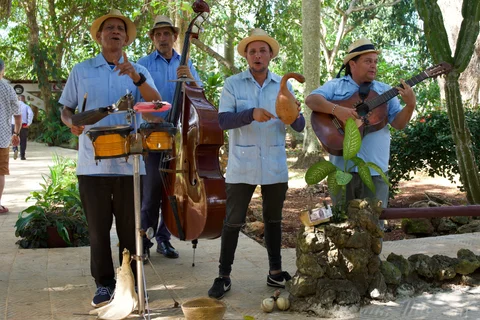
I had somehow expected the difficulties to dominate everything. Instead, they existed alongside music, carefully chosen clothes, art, and an obvious attachment to the city. None of this made the damaged buildings less damaged. It did make my expectations feel rather inadequate.
We became more comfortable talking to Marta as the journey went on. At first, we had held back from personal or potentially awkward questions, unsure what would be welcome. By the middle of the trip we were asking about ordinary life, and she answered openly. Sometimes she pointed things out as we passed: a queue, people waiting for cash to become available at a bank. She did not try to disguise the problems, but neither did every explanation collapse into a complaint or an easy answer. I appreciated that.
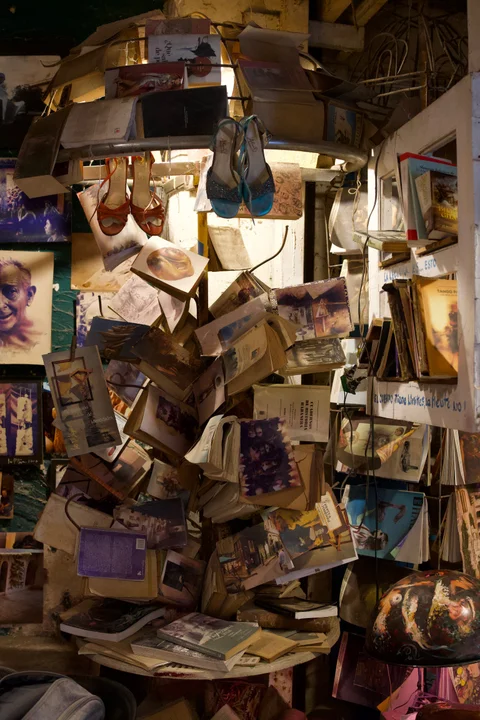
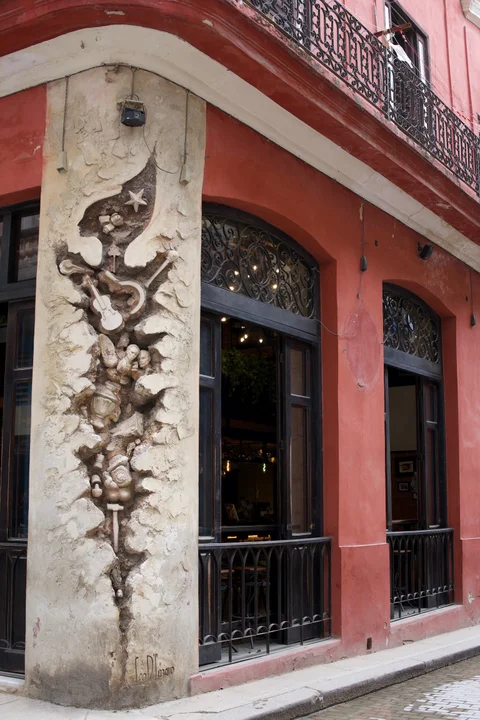
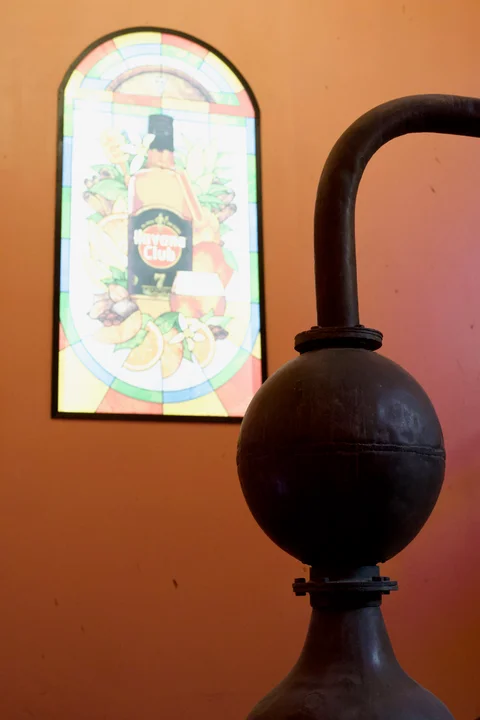
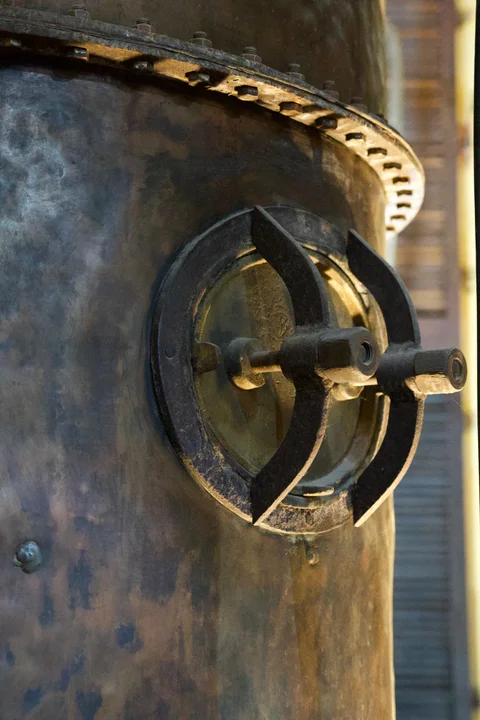
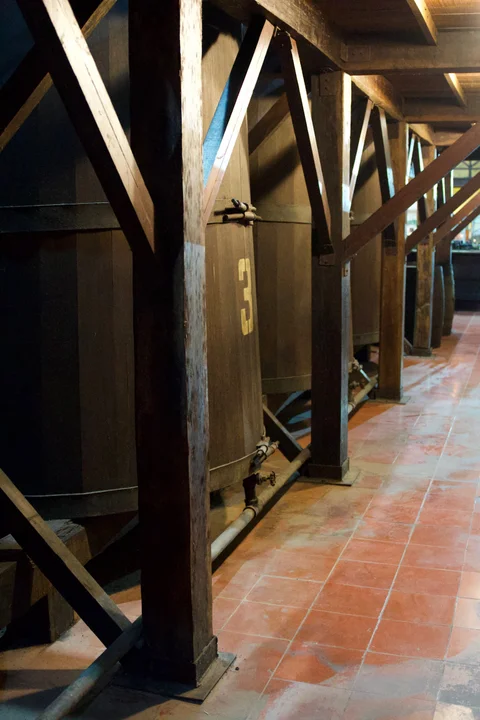
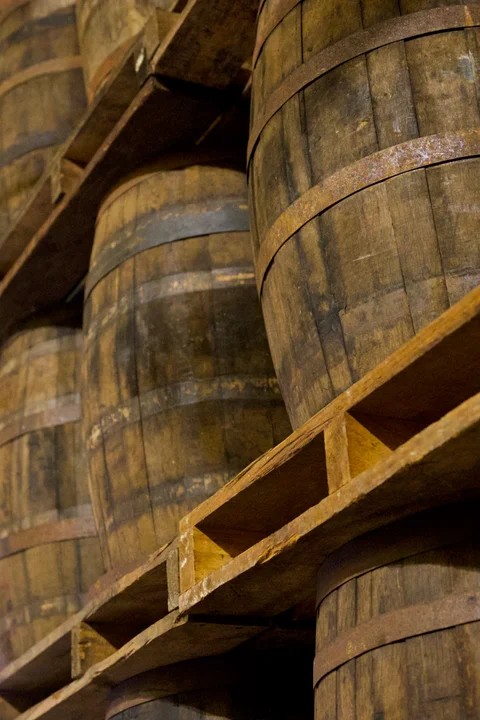
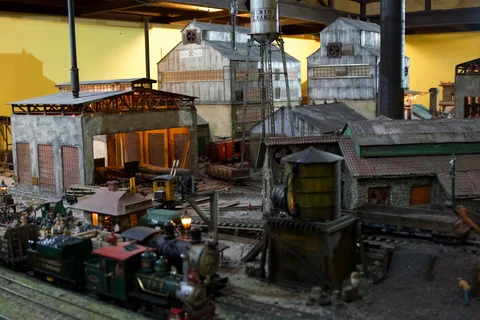
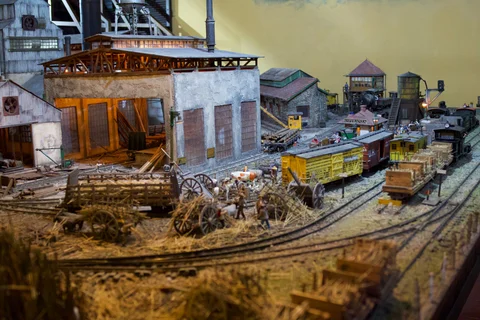
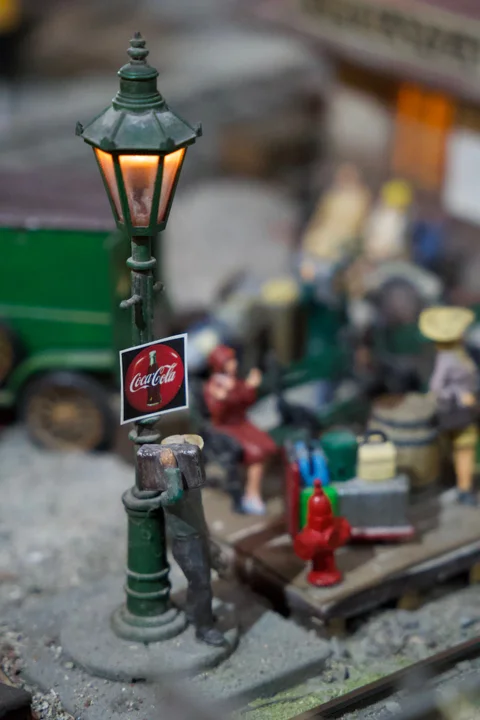
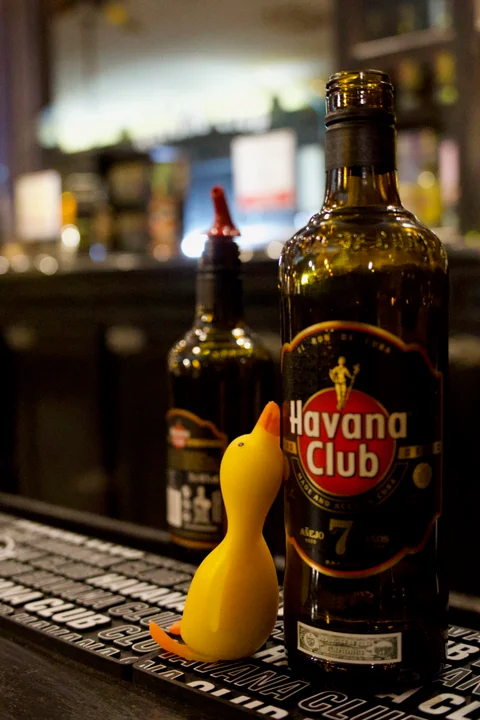
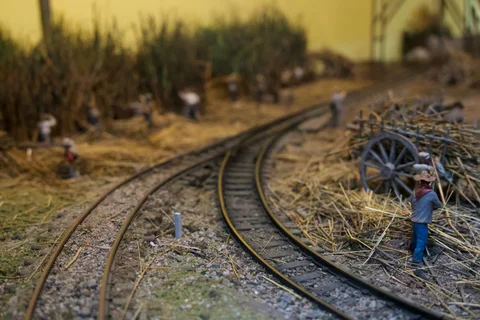
On our first day in Havana, we also visited the Havana Club rum museum. There was a diorama of a sugar mill, with miniature trains and carts piled with sugar cane. Rum is the only spirit I love. I bought the best they had for our cigar parties.
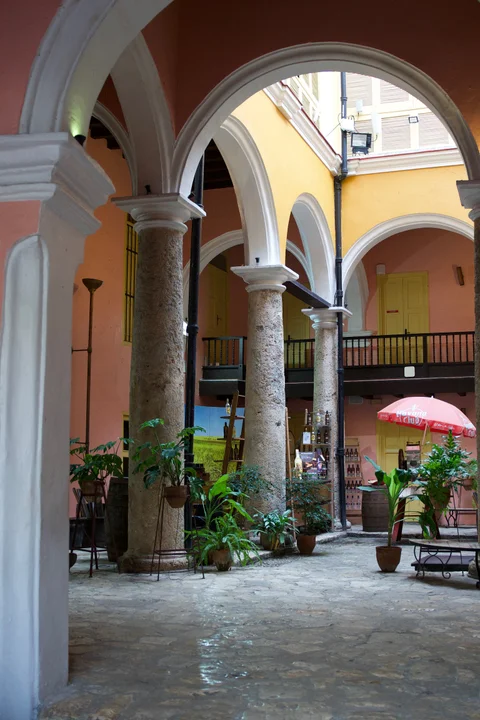
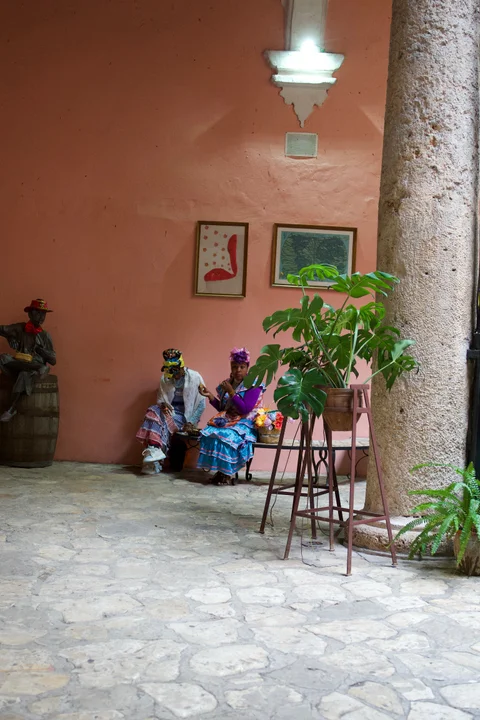
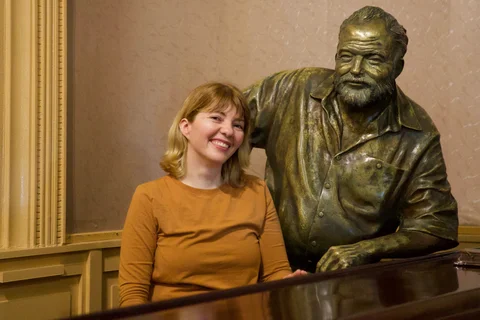
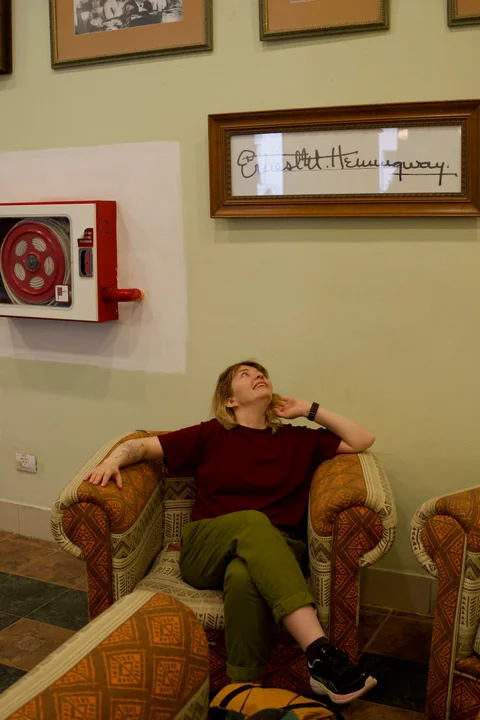
The most important visit for Lena was to Hemingway’s room at the Ambos Mundos hotel. She cried there. She walked around looking at the place where her favourite writer had lived, and I tried not to interrupt her or draw her away from what she was feeling.
There is a particular pleasure in watching someone you love reach a place they have wanted to visit for years. I did not need to feel exactly what she felt to be very glad we had come.
My own relationship with Hemingway was considerably less developed. I had read The Old Man and the Sea, and that was about it. Still, I enjoyed visiting his places.
We also went to the famous bars. The line usually attributed to Hemingway is “My mojito in La Bodeguita, My daiquiri in El Floridita”, although its authenticity is disputed. Floridita and La Bodeguita del Medio were enjoyable, and the cocktails were good, though the prices seemed to owe something to the names attached to the places. We would drink better cocktails later in Varadero.
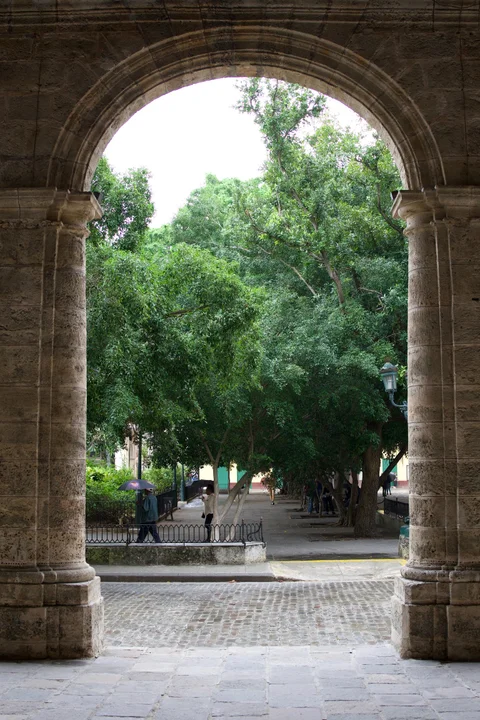
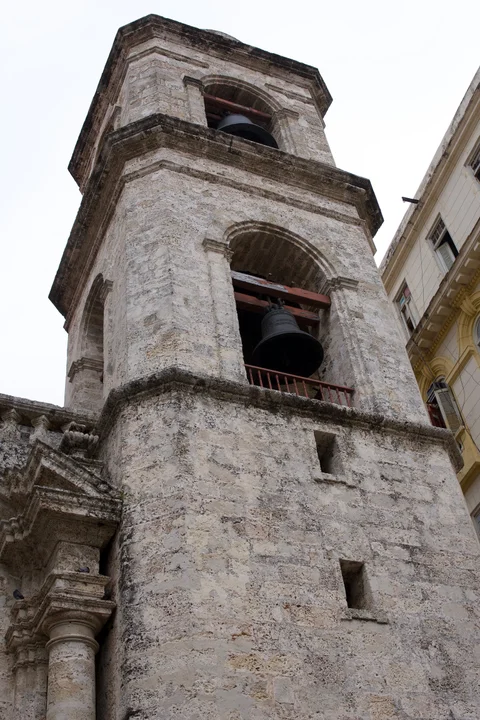
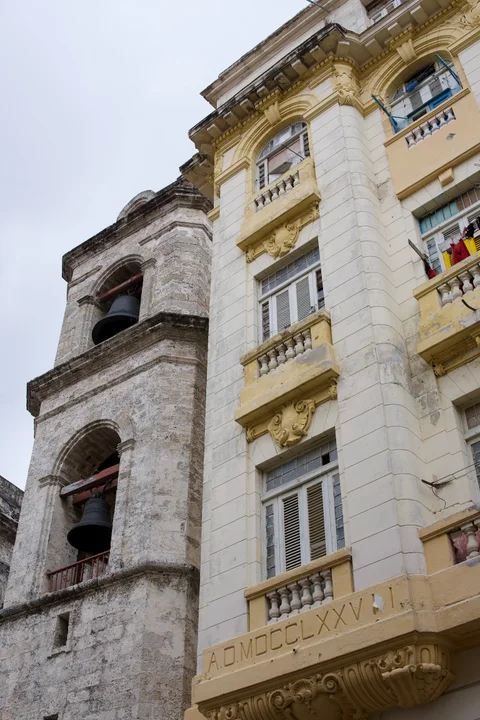
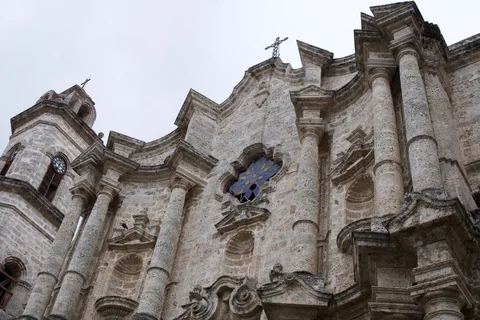
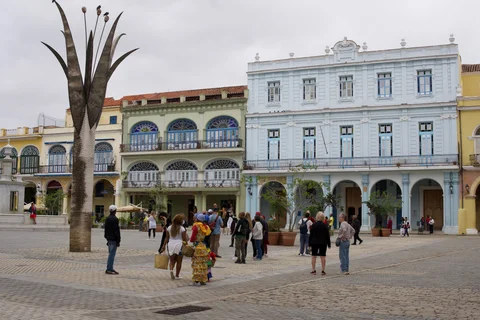
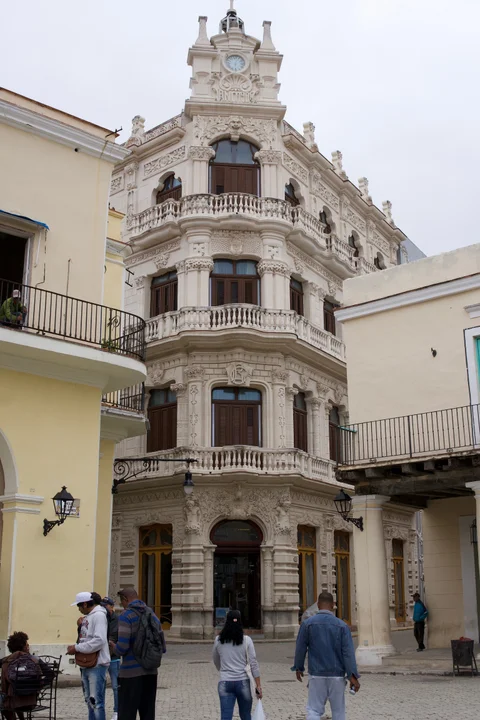
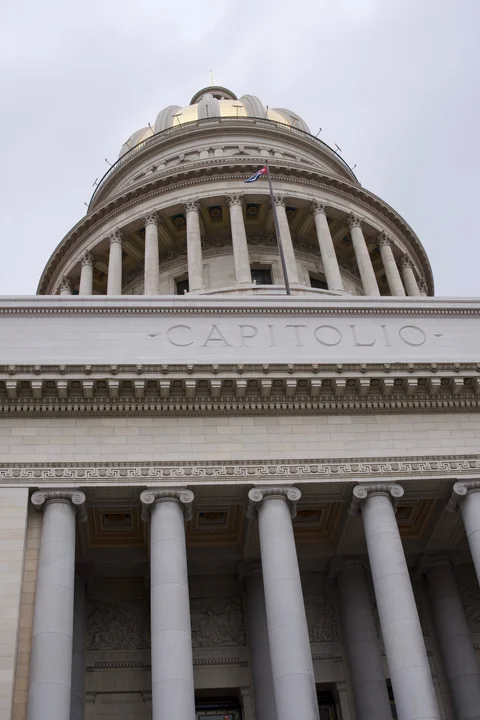
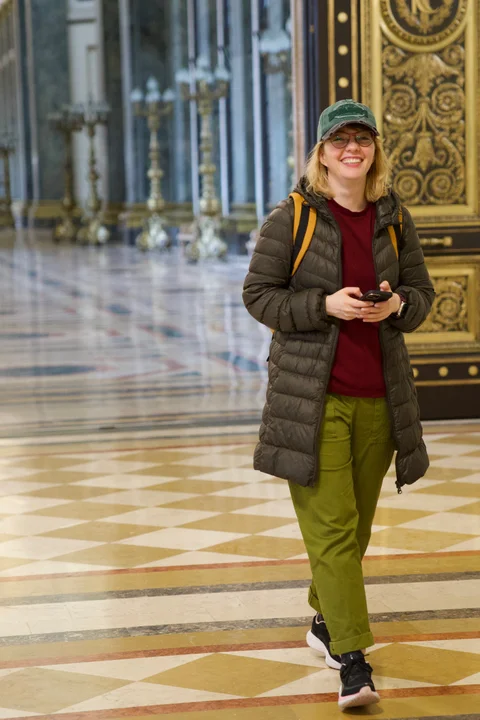
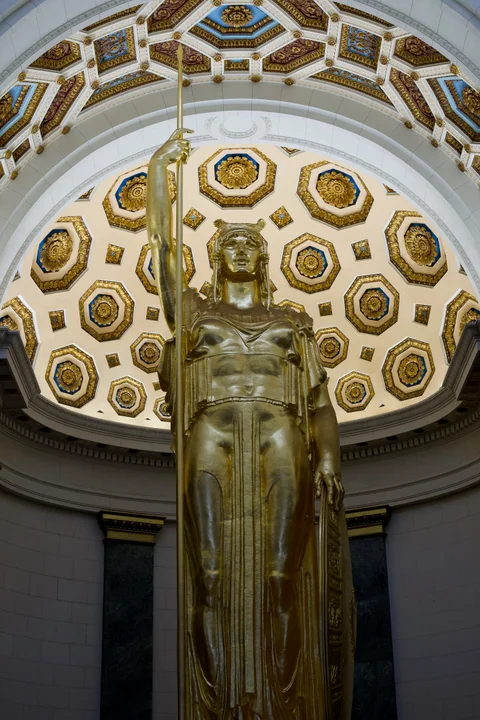
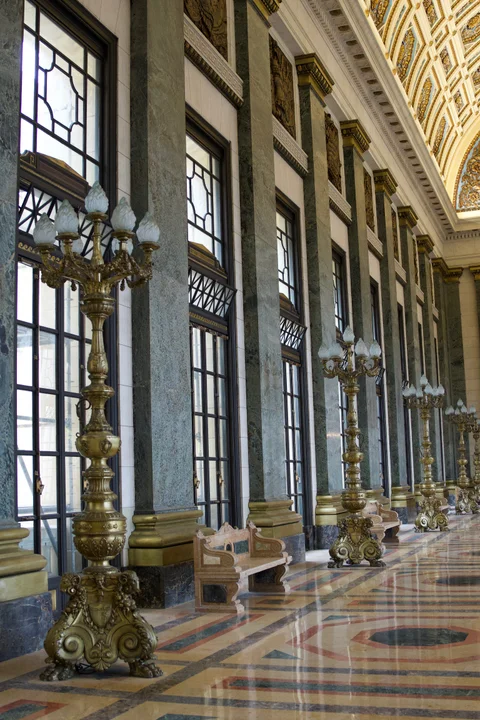
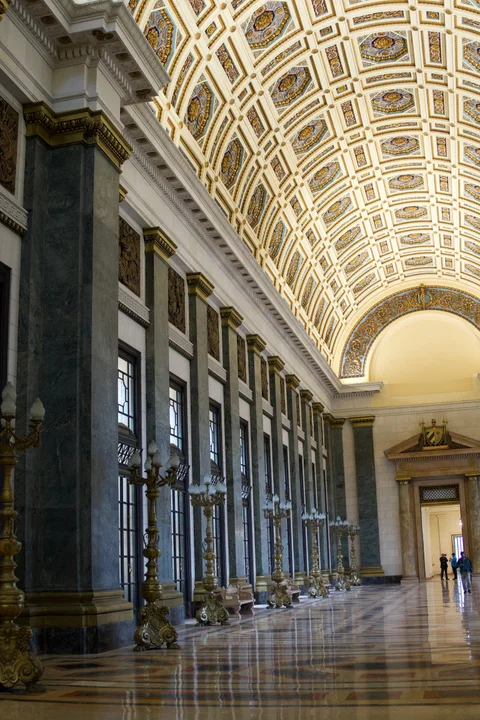
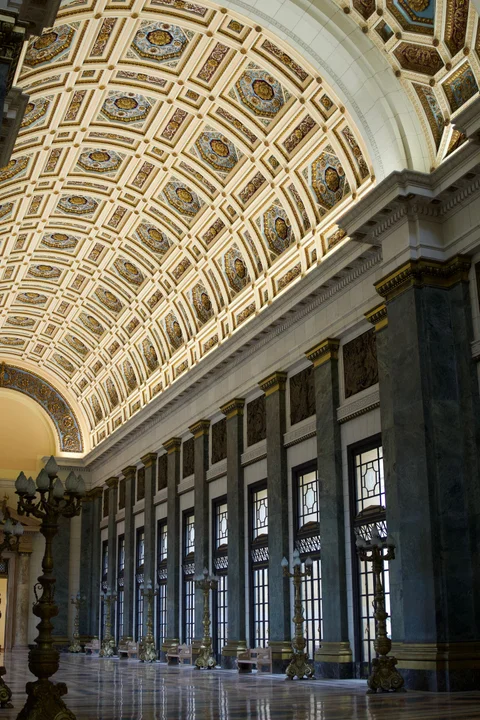
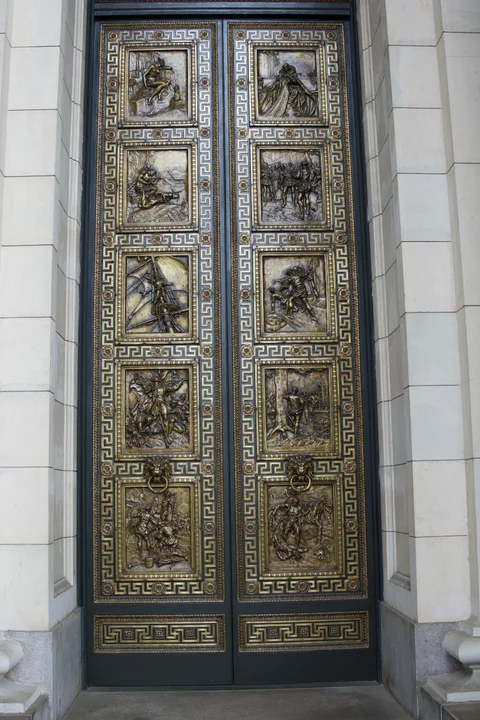
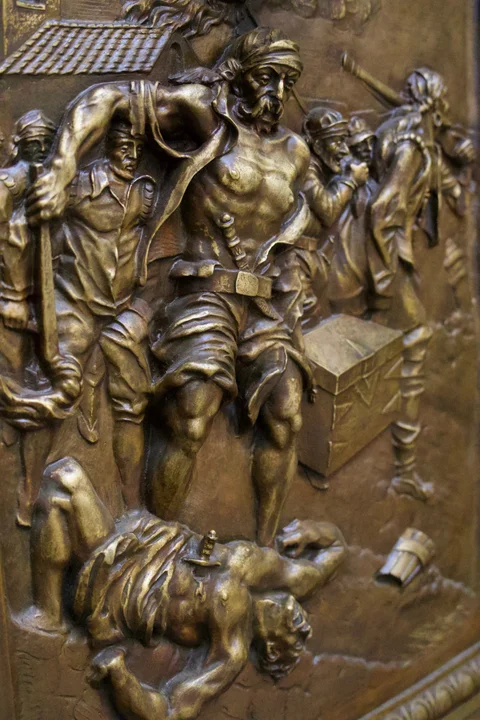
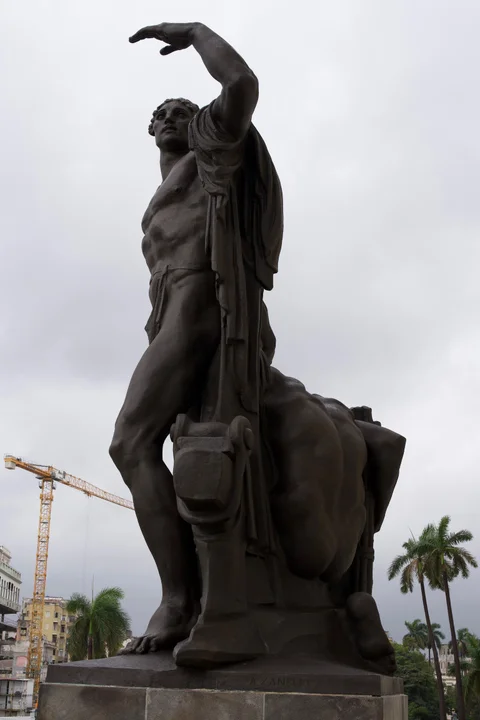
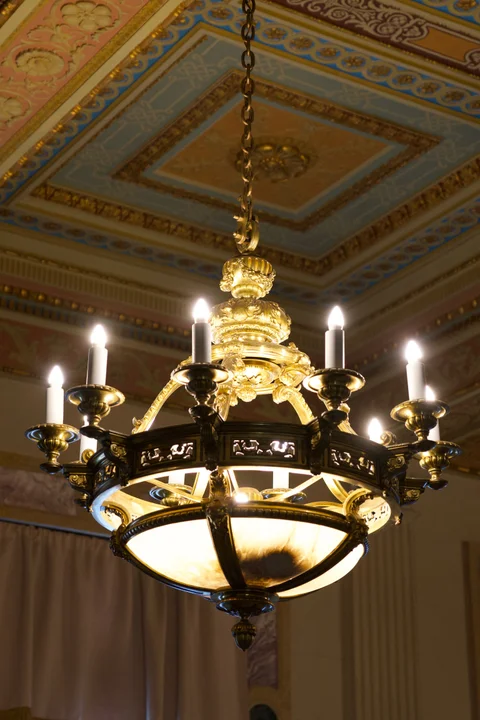
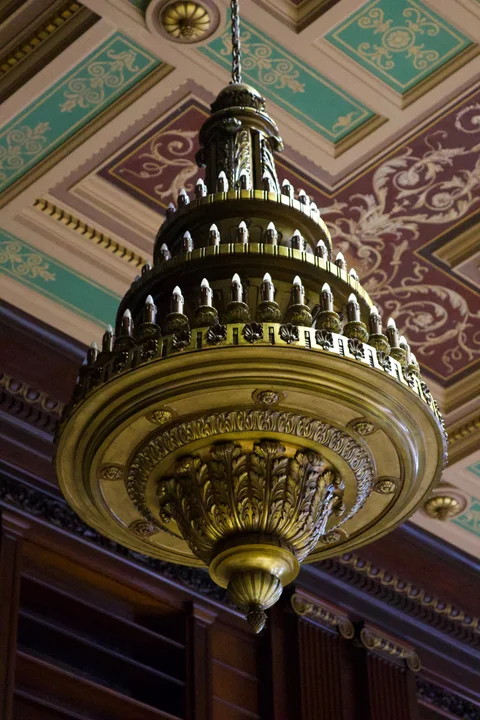
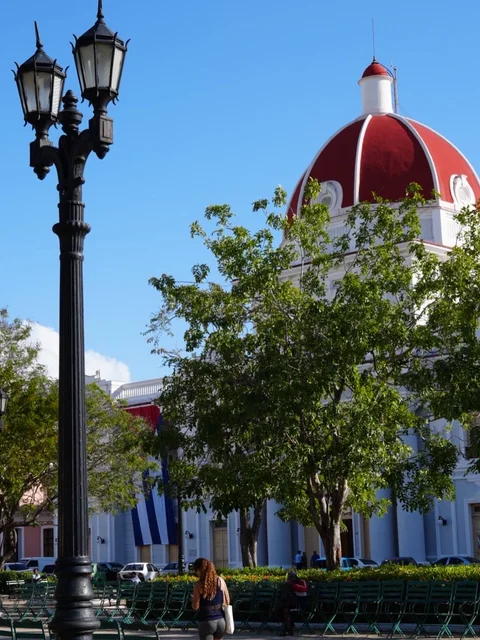
We went into the Capitol almost by accident. We had only planned to look at it from the outside, but ended up on a tour. Our guide there was a local student who rattled away in Russian just as fluently as Marta.
The Capitol was in almost perfect condition, a sharp contrast to the damaged buildings around it. Throughout the trip, Cubans kept telling me, with great pride, that their Capitol was taller than the American one.
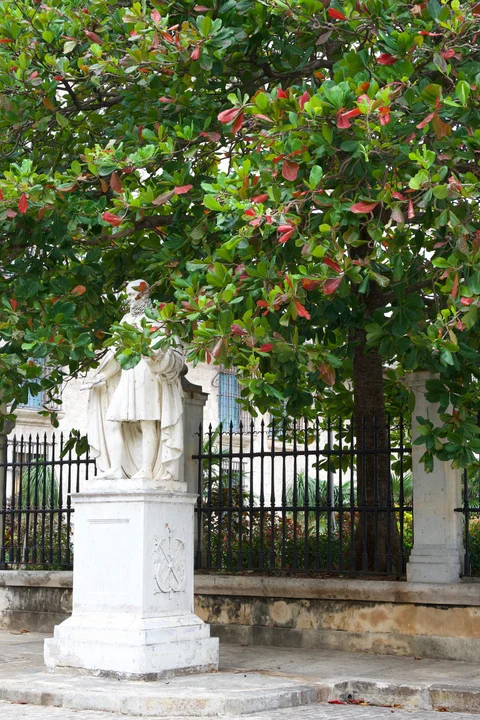
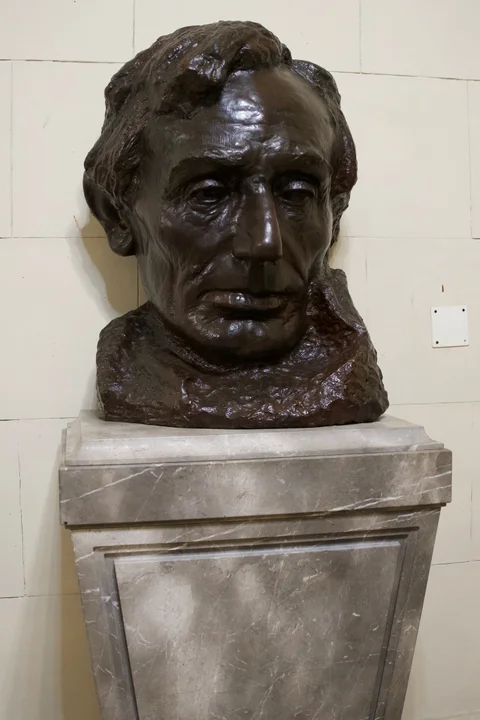
There was a bust of Abraham Lincoln there, too. His stand against slavery earned him admirers in Cuba, including José Martí. Martí and his schoolmates wore mourning bands in Havana when Lincoln was assassinated.

Viñales
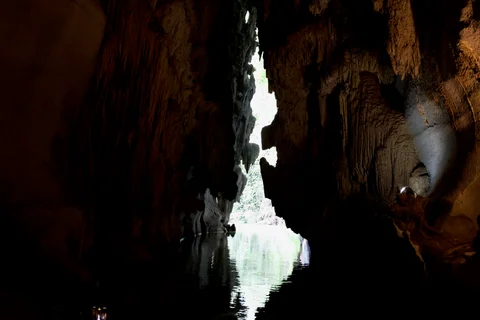
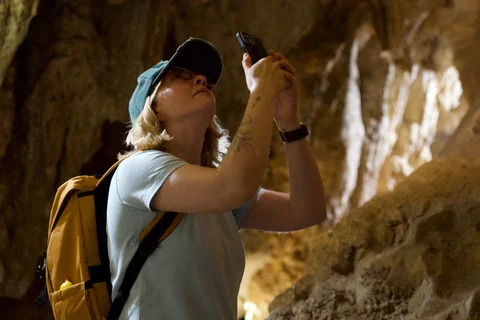
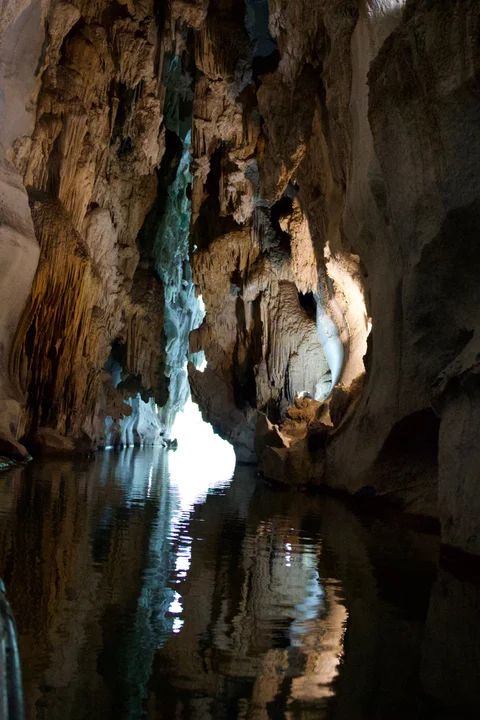
I did not arrive in Viñales in a particularly receptive mood. I had barely slept, was grumpy, and found small things disproportionately irritating. Being taken on a boat through a dark tunnel did not help. Apparently there was no fuel for the lighting. I do not especially enjoy that sort of excursion even when I can see where I am going.
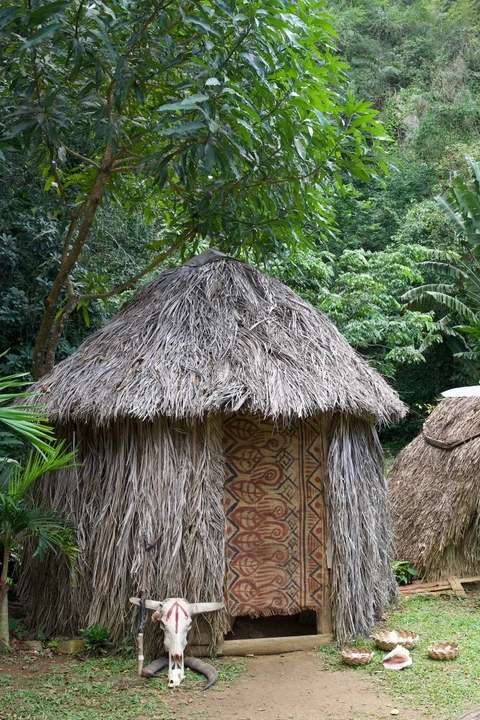
Then we visited a tobacco farm, and the day improved considerably.
The man demonstrating how to make cigars wore a shirt and a straw hat and had an enormous amount of charisma. He spoke good English, so we could talk without Marta translating. He showed us how the cigars were rolled, which parts of the leaf went where, and how the veins were removed. This was much more my sort of activity. Cigarettes do not interest me, but I do like a cigar.
I tried one of his. Unfortunately, I was the only person in our little party particularly interested in this part of the visit. The women were getting bored, and I smoked it rather faster than I would have liked because I did not want to keep everyone waiting.
I bought about fifteen cigars. When he discovered we were newlyweds, he offered us a couple more as a wedding present. Lena asked whether he might include some of those other ones as well. He laughed and agreed. By the time we left, I had around thirty: roughly half bought, half given to us.
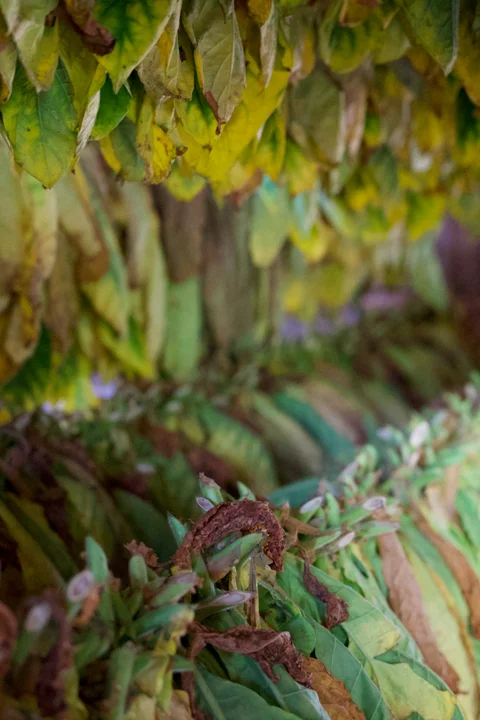
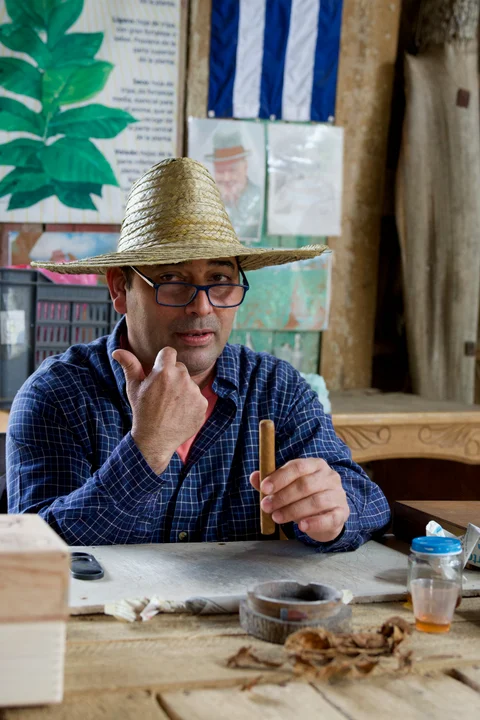
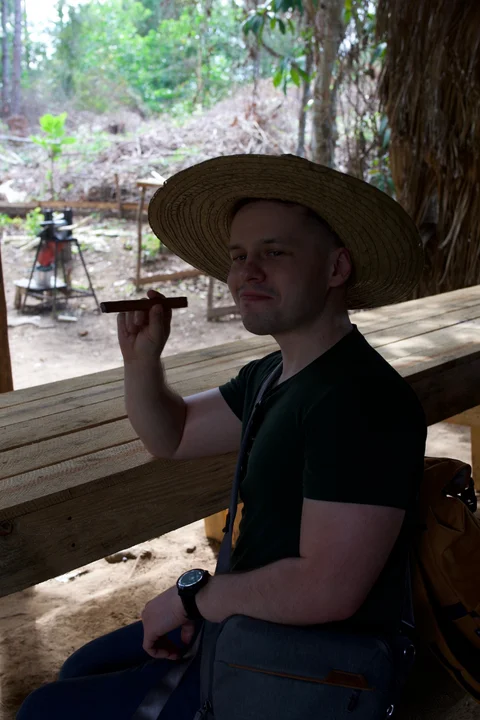
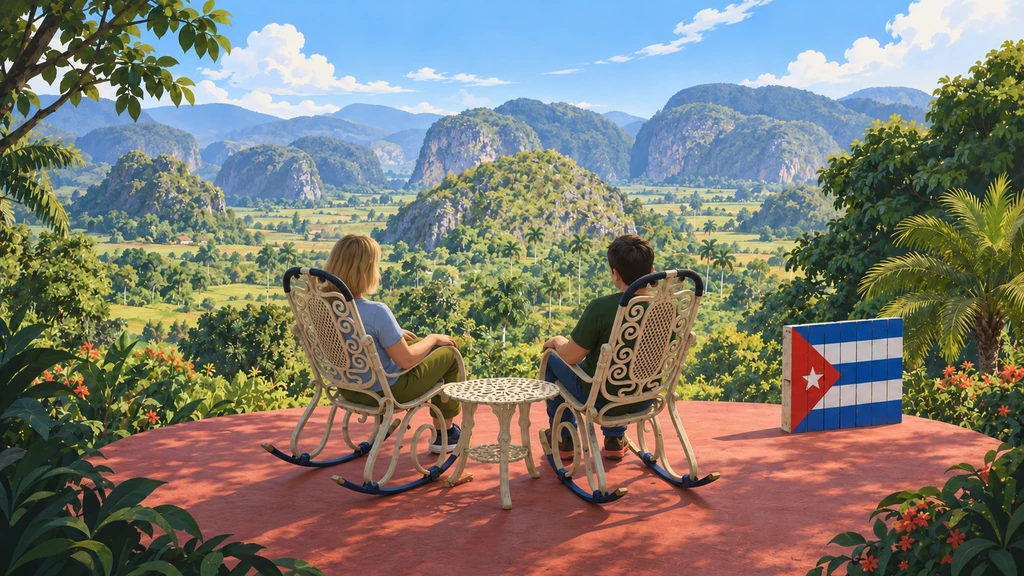
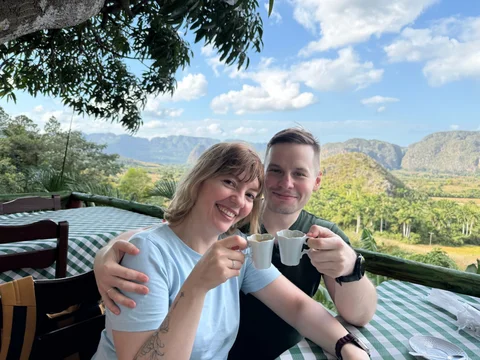
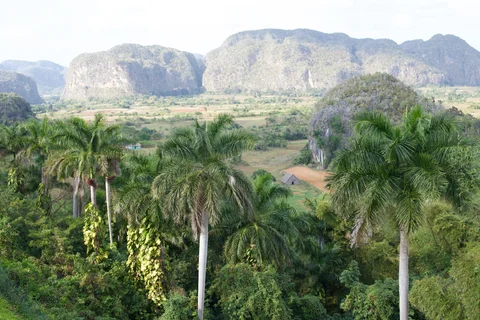
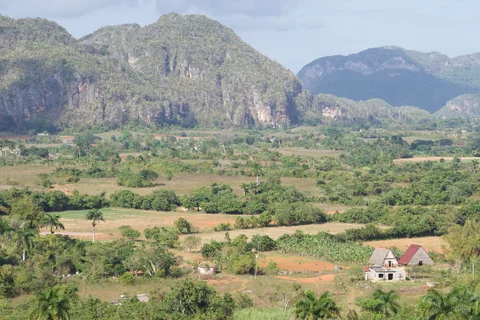
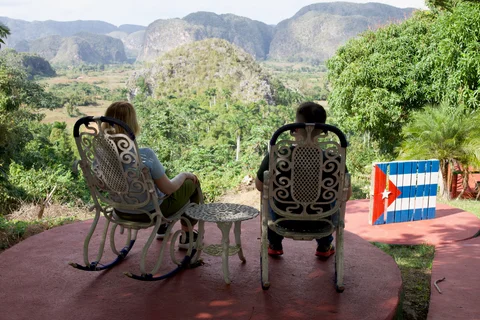
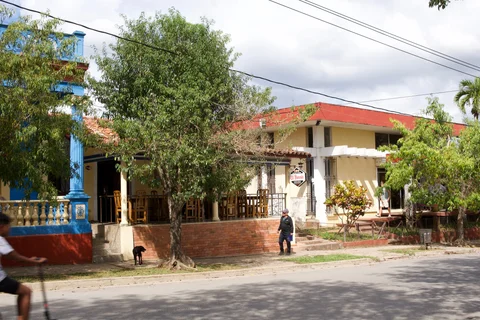
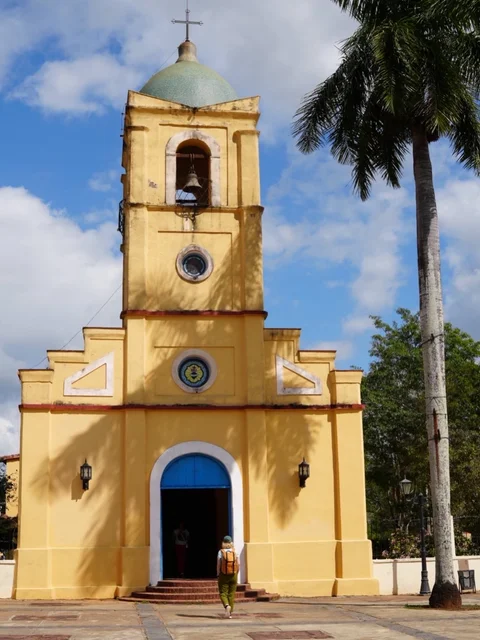
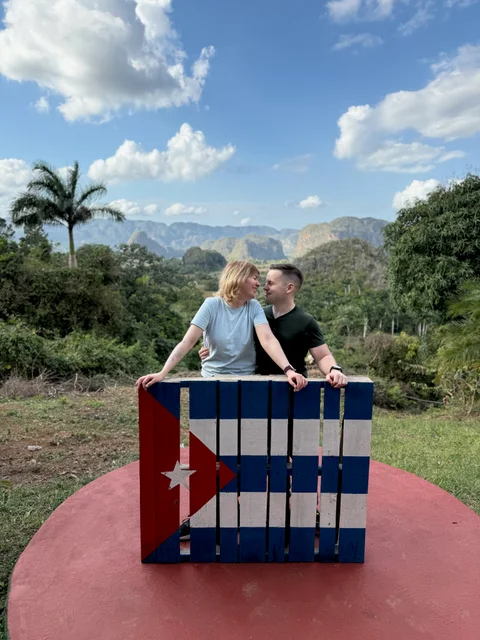
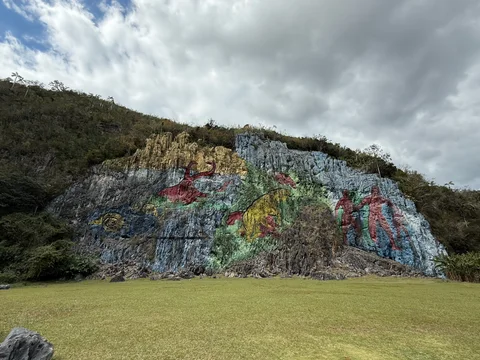
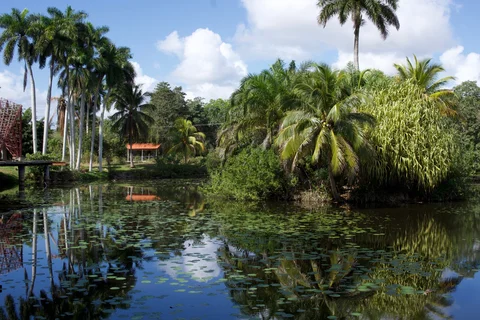
By lunch, I was finally capable of appreciating where we were. We ate somewhere with a view over the whole valley: everything green, beautiful, and well tended.
Unexpectedly, it reminded me of rural Thailand, where I had lived for a long time. There was something familiar in all that greenery and the cared-for landscape. After the strangeness of Havana, that familiarity was welcome.
The day I remember now is a very good one. I was simply late to start enjoying it.
Cienfuegos
The Crocodile Farm
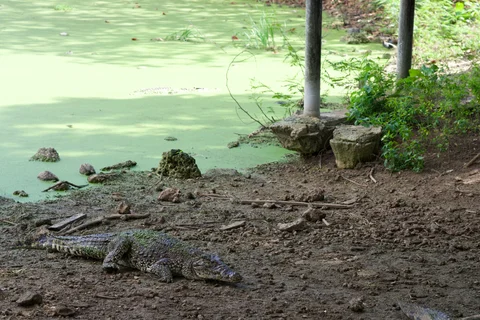
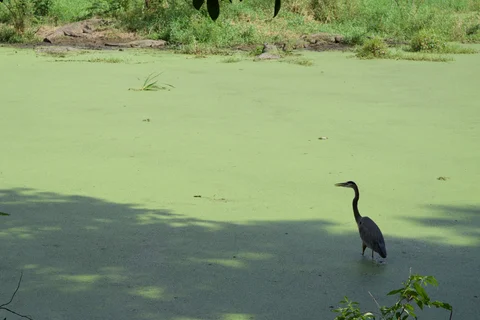
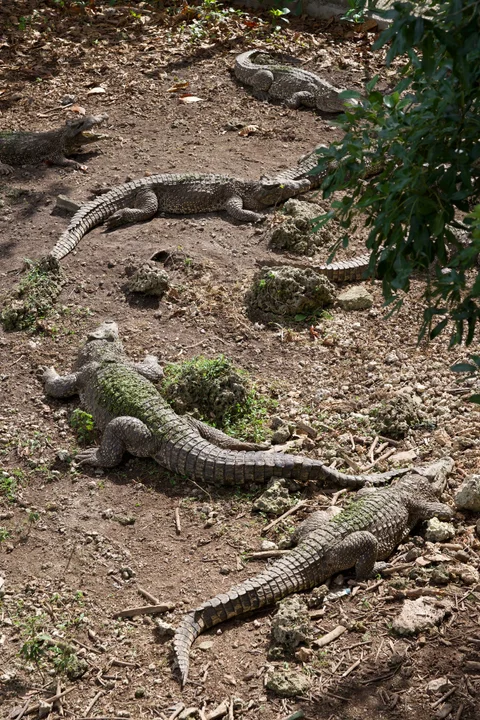
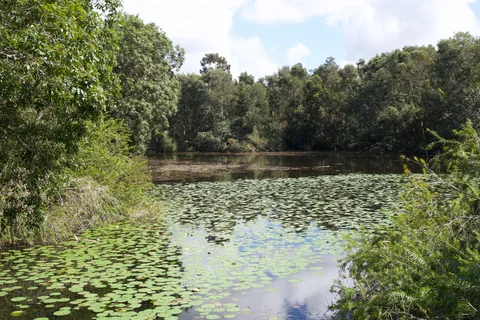
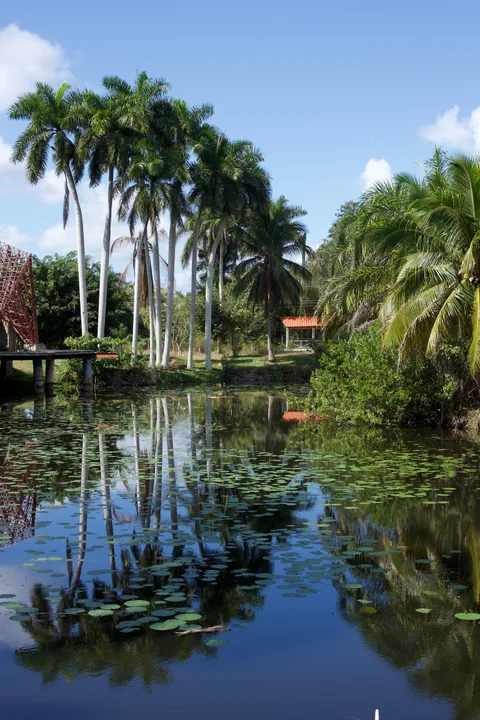
The crocodiles at the farm were surprisingly hard to spot. I had to look carefully to pick them out from the mud and stones or the green surface of the water.
Even when I could see them, they looked dead. They lay completely still, then suddenly moved impossibly fast. I knew they were alive, but the jump from that total stillness to such speed was hard to take in.
In Town
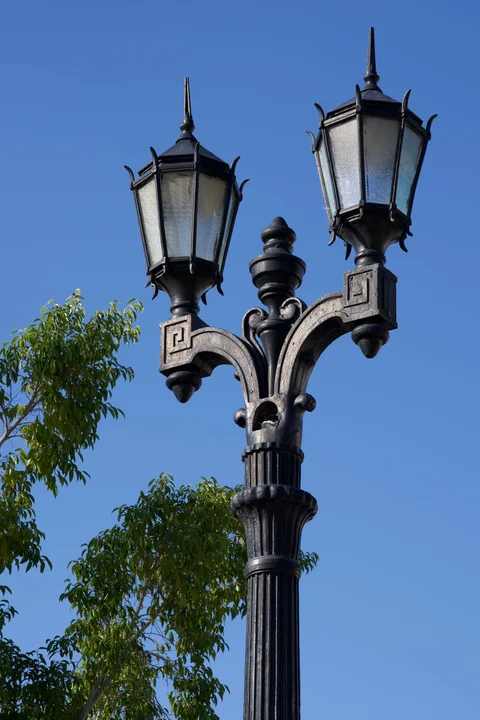
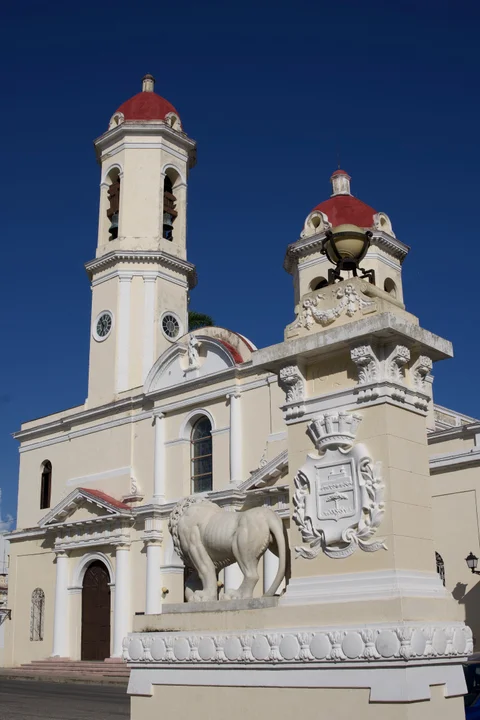
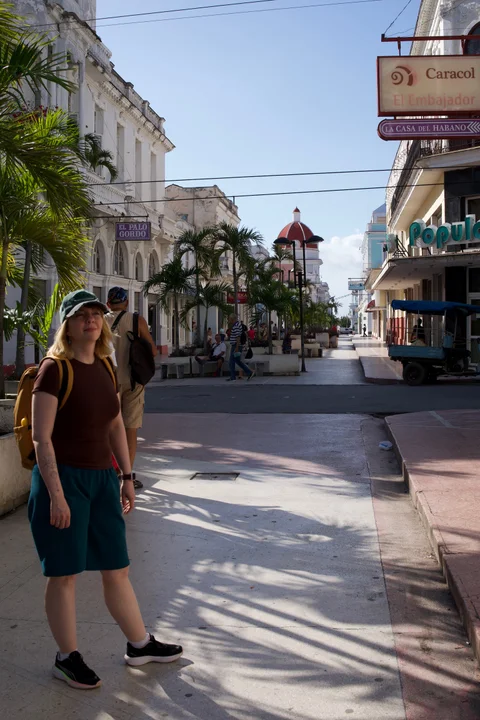
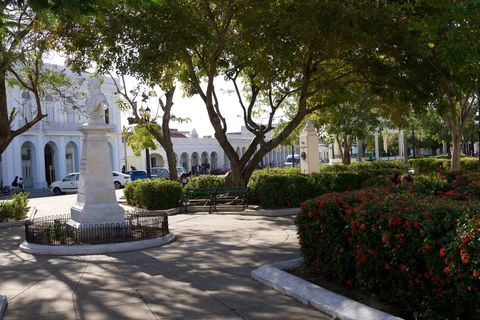
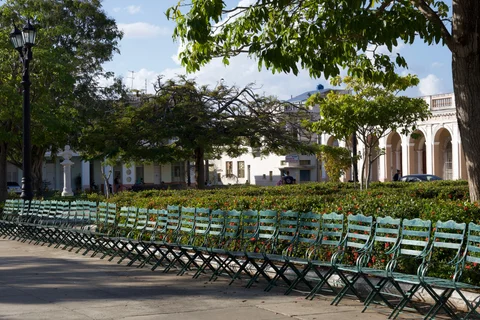
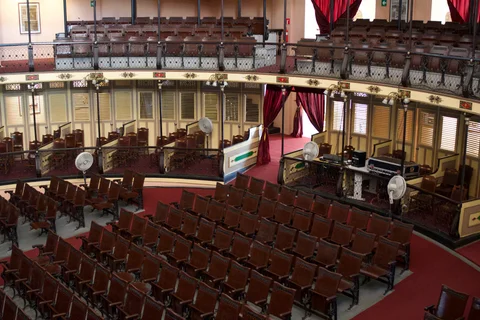
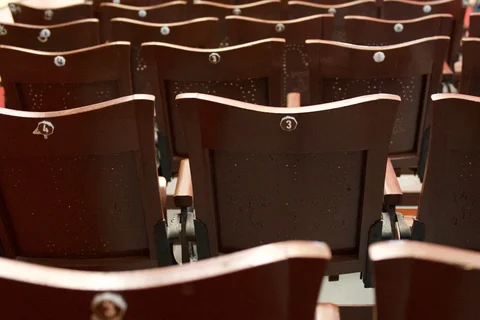
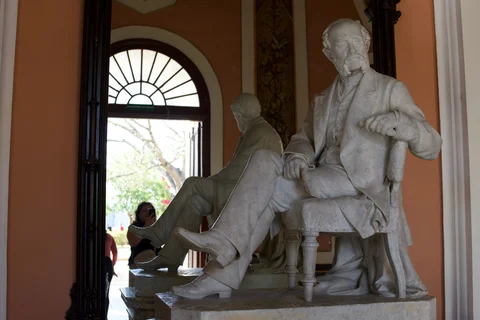
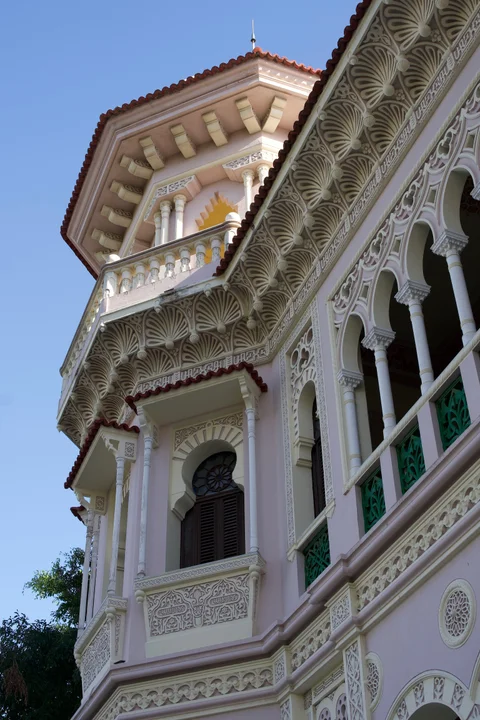
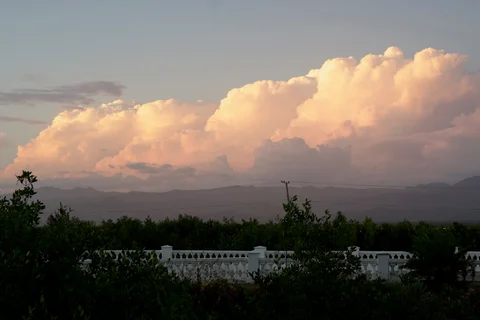
Trinidad
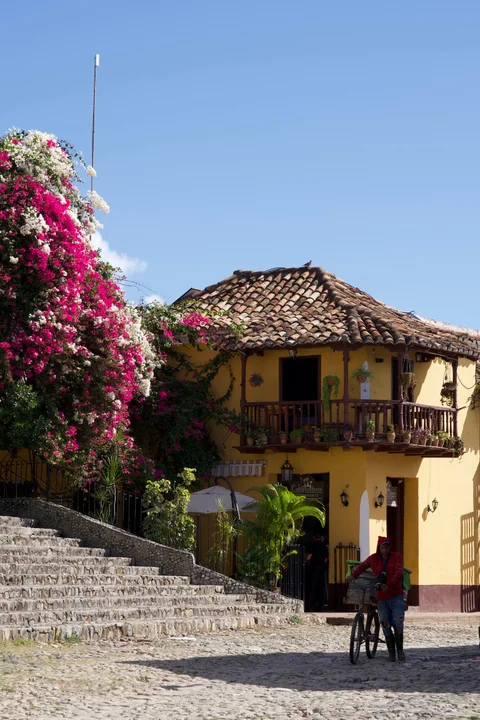
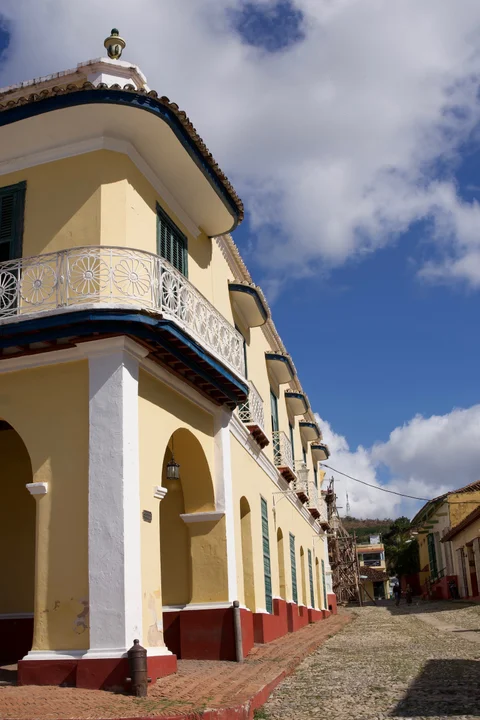
Trinidad still sounds to me like somewhere from an adventure novel. I hear the name and imagine sailors and pirates, then have to remind myself that you can actually go there and buy a drink.
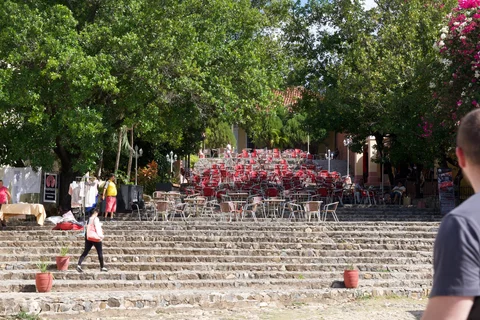
We did not have much free time there, so my memories are fairly concentrated: attractive narrow streets, extraordinary heat, and the continual search for somewhere shaded. We visited a museum showing how wealthy people had lived. It was moderately interesting, particularly as a reminder that even being rich had once meant managing without a refrigerator. In that heat, this seemed a significant omission.
There were very few tourists, as there had been through much of the journey before Varadero. The quiet was noticeable even in places I had expected to be busy.
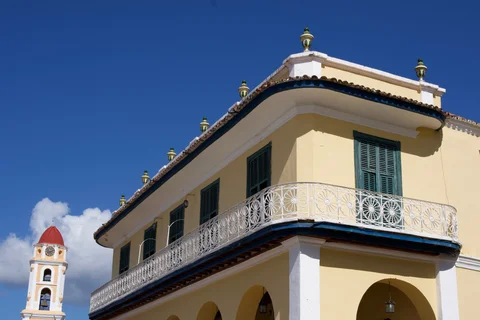
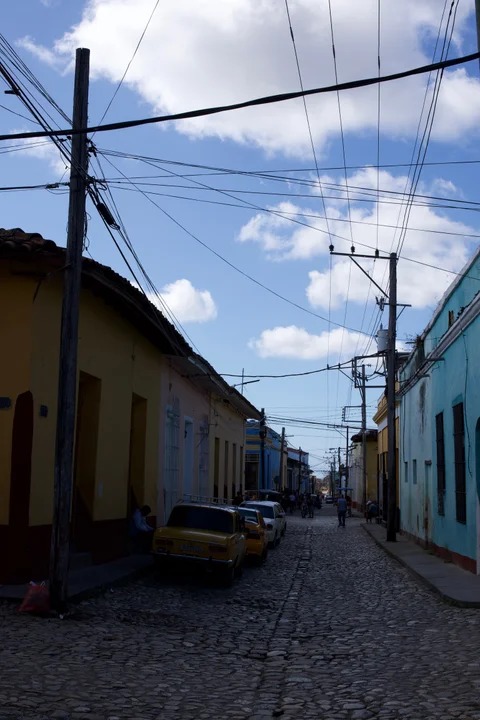
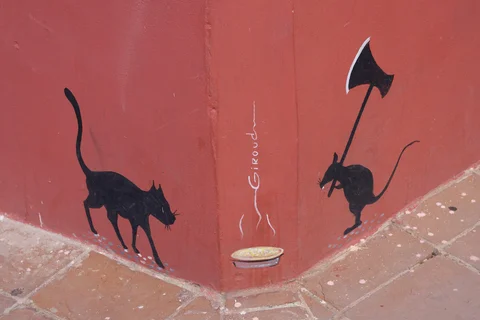
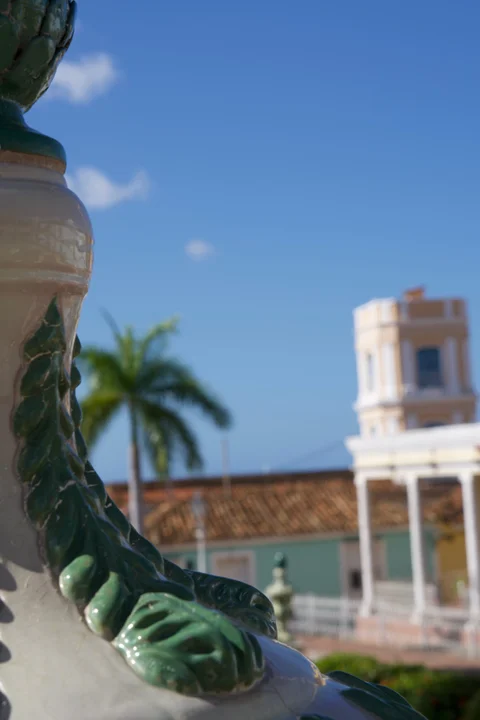
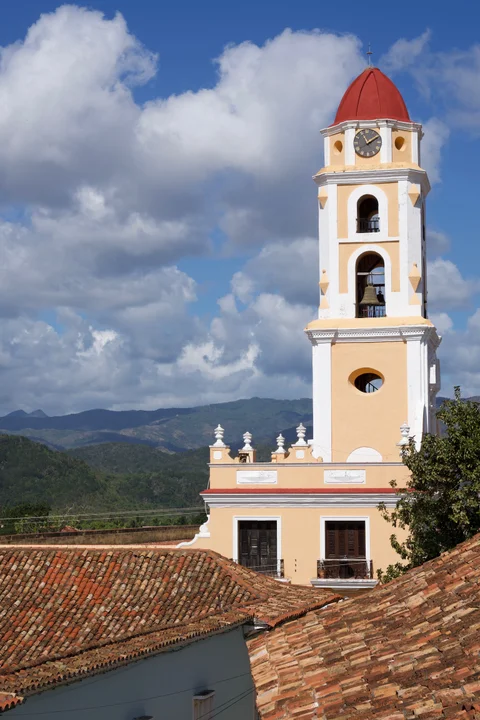
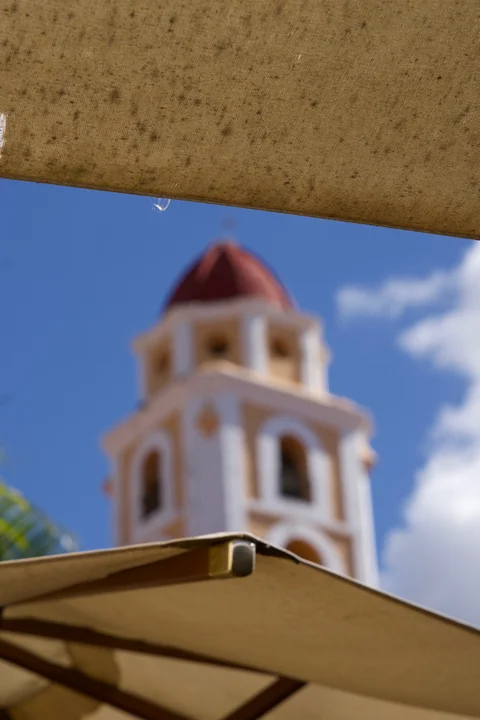
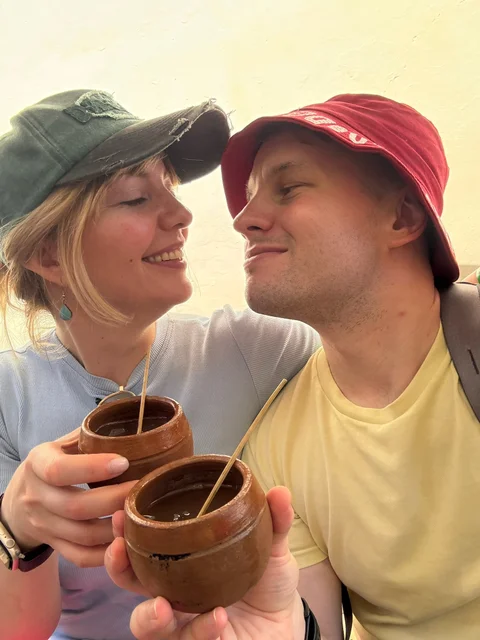
We tried canchánchara under an awning and bought the little cups for it. I liked the drink very much. Cuban rum was one of the more consistently enjoyable parts of the trip. We have had canchánchara once since the trip, which is probably a more accurate reflection of our usual habits than this account of the holiday might suggest.
There were also coconut carvings for sale, most of which looked remarkably similar. I am not particularly interested in a souvenir that appears to have identical siblings in every other shop. Then I found a coconut pig with such a wonderfully stupid appearance that I immediately wanted it. There did not seem to be another one quite like him. I bought him.
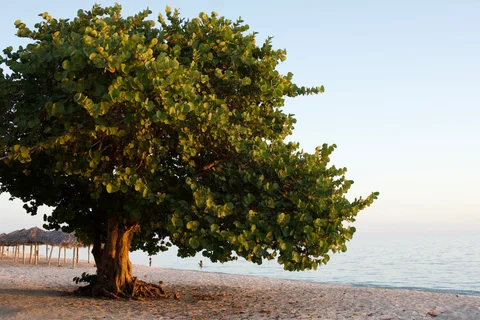
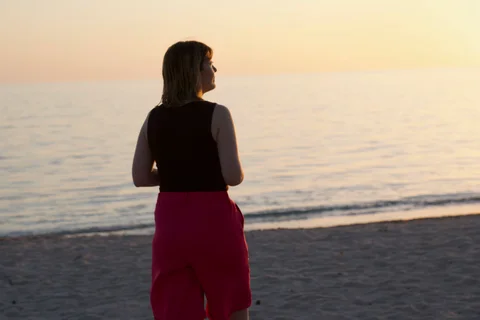
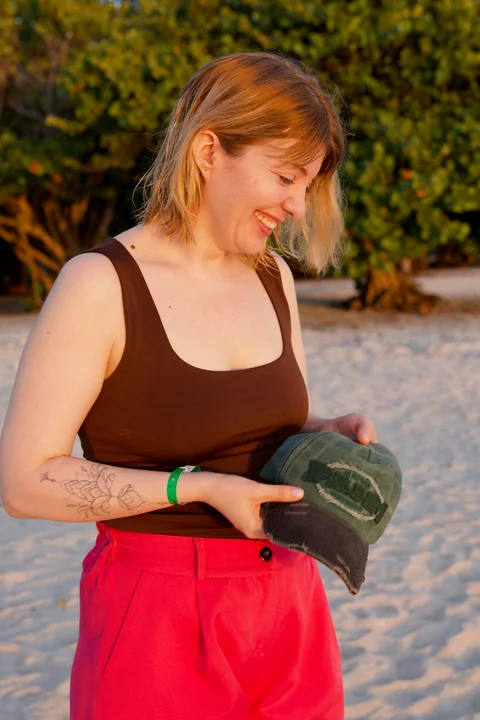
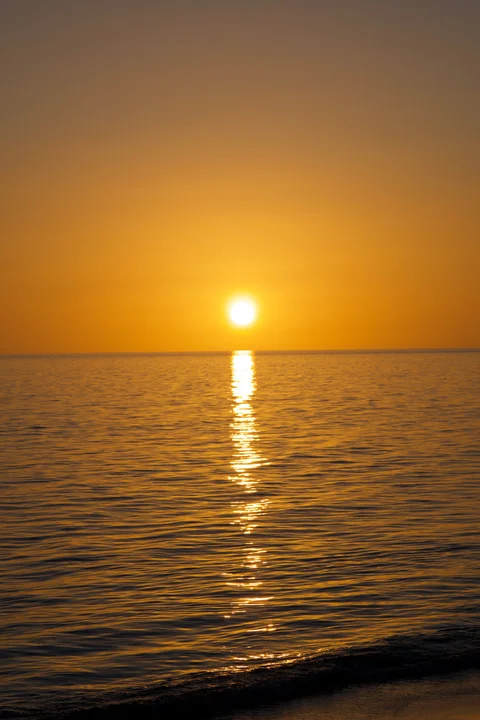
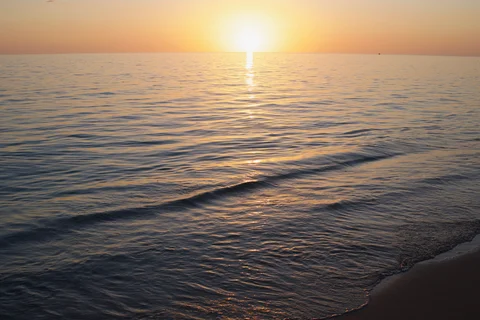
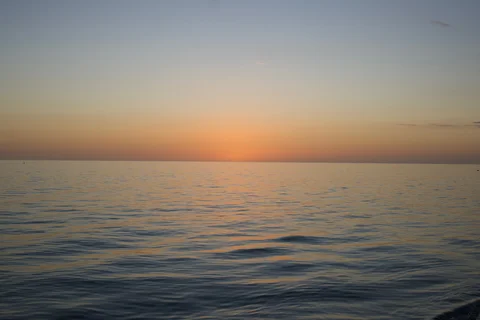
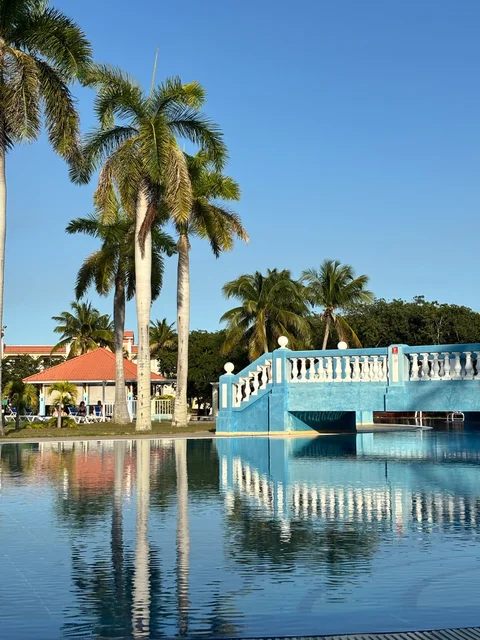
That evening we went to our hotel by the sea. It looked about as tired as we felt. We spent some time by the pool with drinks, then went down to the shore and took photographs in the sunset light. It was a quiet, beautiful end to a hot day, and I remember it more clearly than most of what we saw in the museum.
Santa Clara
In Santa Clara, the fuel shortage began directly rearranging our day.
The driver dropped us at the Che Guevara museum and went to fill up while we looked around. There was no fuel at the petrol station, so he had to go looking elsewhere. Meanwhile, the museum had no electricity and was closed.
We sat on benches outside and waited for the bus. Marta did her best to keep us entertained with stories, none of which I can now remember. I remember the heat, the waiting, and the fact that the two things we needed, fuel and electricity, were both unavailable.
Eventually the driver returned. He had managed to get about ten litres. That should take us to the next petrol station, where, he hoped, there would be more. We had to try two more stations before finding fuel. He had a fuel voucher, but that did not make the search any easier.
I was not angry about missing the museum. We had known about the shortages and blackouts before coming, but knowing was very different from sitting outside a closed building while our driver searched for enough petrol to carry on. For us, it was a disrupted excursion. I kept thinking about the people who have to organise ordinary life around things like this.
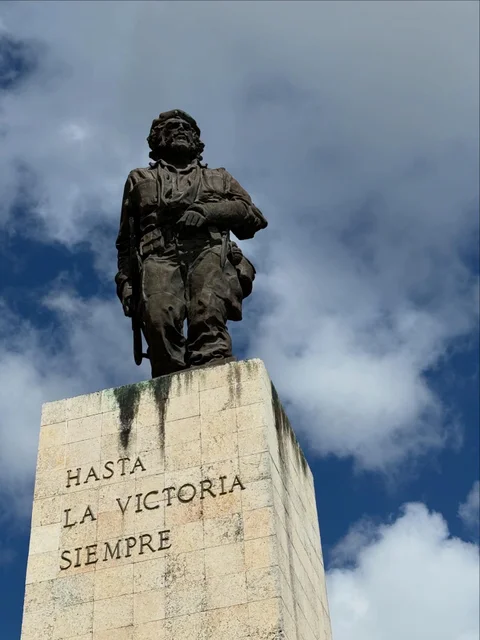
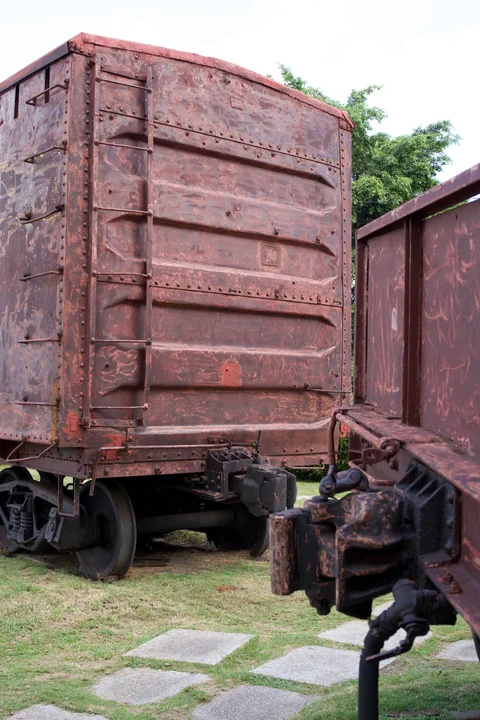
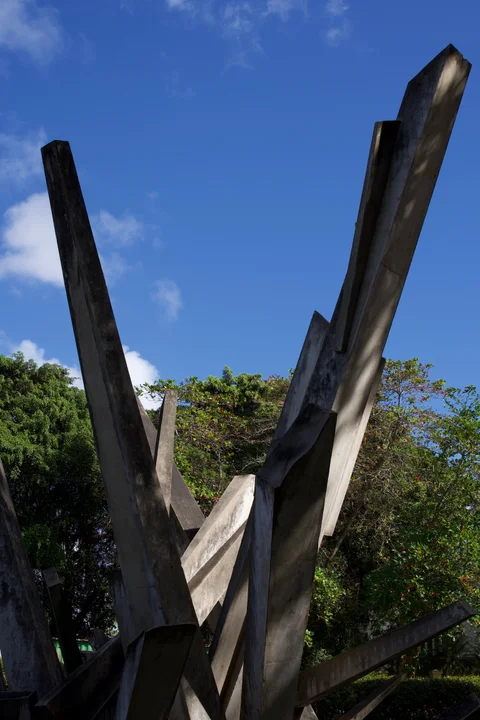
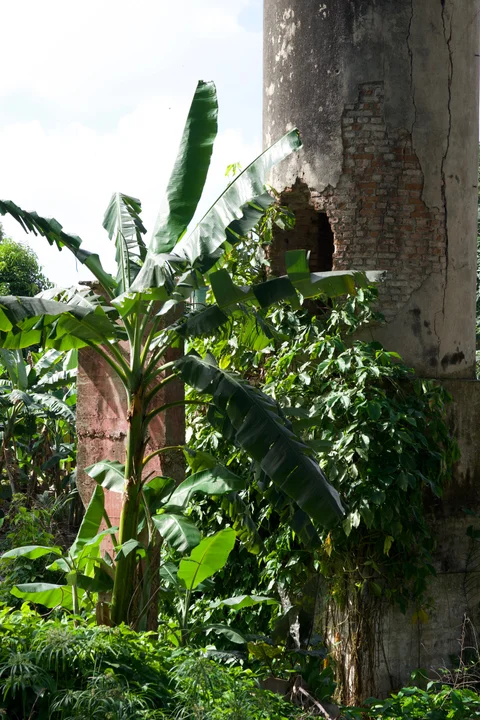
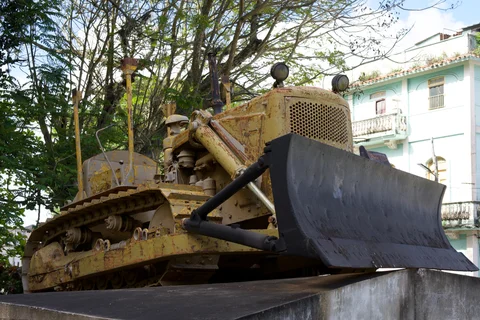
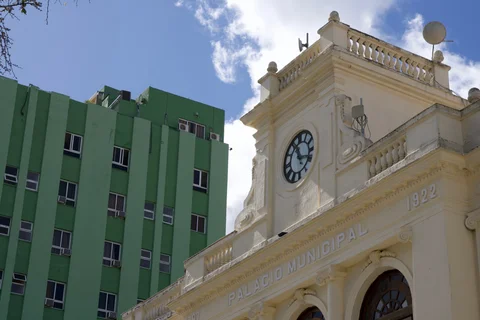
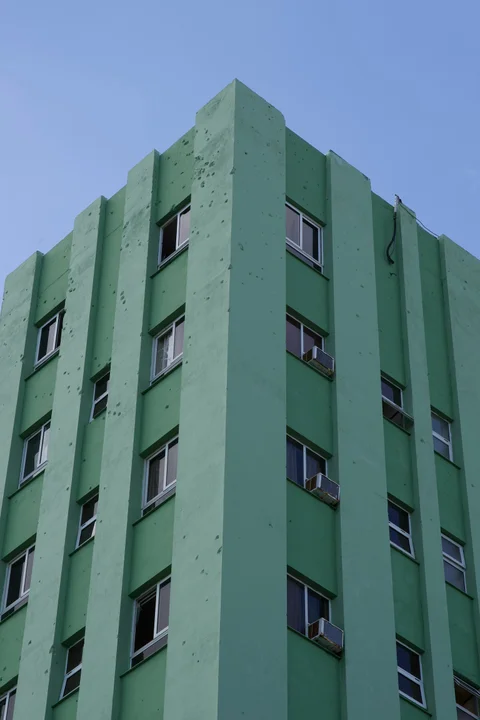
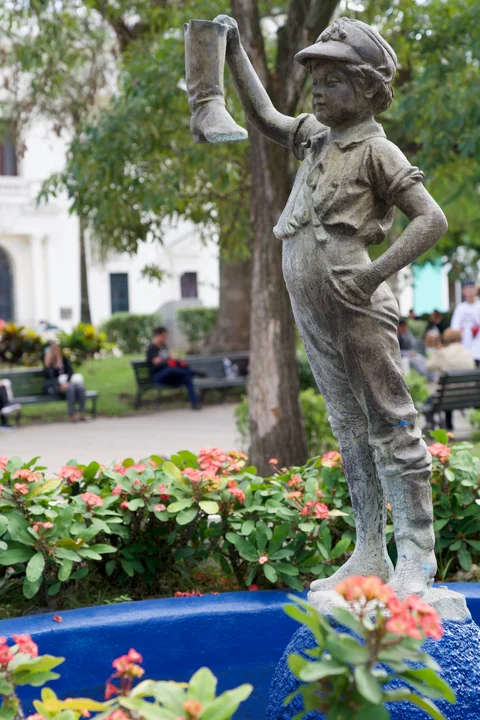
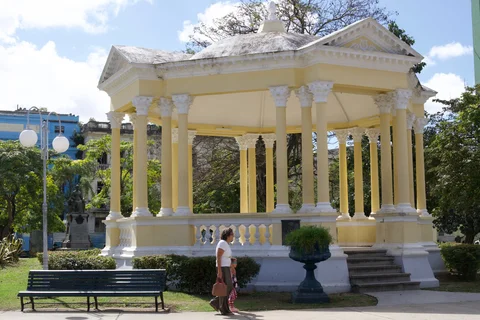
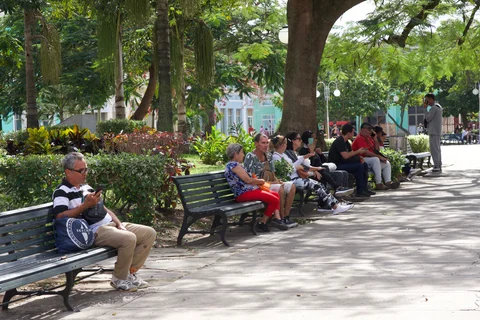
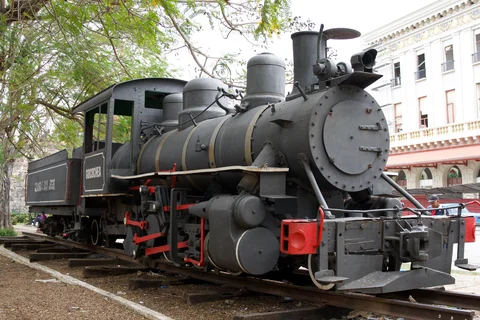
We visited the armoured train monument and walked around the centre instead. Neither held my attention for very long. There were some beautiful houses, but of all the places we saw, Santa Clara felt the poorest.
I was also becoming familiar with a particular kind of approach on the street. Someone would ask where we were from or how we had ended up there. A little further into the conversation would come a request, an offer to find something, or information they hoped to sell. I had encountered this in Havana too, and gradually learned to recognise it without getting drawn into every exchange. In Santa Clara, it felt especially frequent.
Varadero
The attraction of Varadero was that we could stay put for a while. We had not been solving many logistical problems ourselves; that was the whole reason for taking a guided tour. But we had still been moving, getting up, going somewhere, looking at something. Now we could spend several days in one place without needing to finish enjoying it in time for the bus.
There was also an almost properly functioning internet connection. We both like having internet. The preceding days had done very little to change our minds.
Breakfast had its own memorable character: a plump, charismatic Black woman at the egg station. “What do you want, booooy?” she would ask, stretching out the last word in a wonderfully distinctive accent. I wish I could put the sound of that question on the page. The words alone do not quite do it justice.
I had never been especially enthusiastic about beach holidays. Lying in the sun doing nothing sounded uncomfortable and boring. Lena explained that neither of those activities was compulsory. I could sit in the shade, read a book, occasionally go and get a drink, and return to reading. This turned out to be an excellent arrangement.
I read Cixin Liu’s Death’s End and enjoyed it. I made regular trips for cocktails and beer. I relaxed. My principal error was having spent much of the journey telling Lena that my legs did not get sunburned and therefore did not need sunscreen. In Varadero, my legs got very badly sunburned.
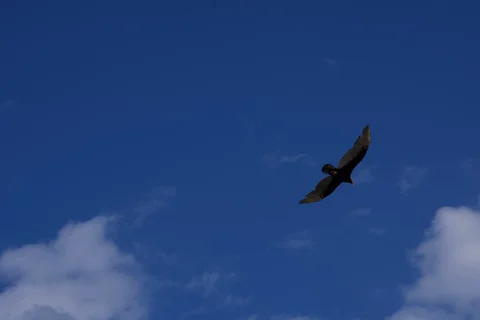
Along the beach flew pelicans. I had never seen one before and had seriously underestimated their size. There were plenty of them, and they seemed two or three times larger than I had imagined: substantial, hefty birds, like cargo planes making their way along the coast. I loved them.
We ventured into town, which did not interest us very much, and walked through a local park. Then a huge storm cloud began assembling overhead, and getting back to the hotel became rather more appealing than continuing the excursion.
The taxi we caught was an enormous vintage convertible, a barge on wheels. We had finally found a practical reason to ride in the kind of car we had been looking forward to since before the trip. I did not get to drive it, but we had our ride and took a few photographs in it at the hotel gates. The threatening rain had done us a favour.
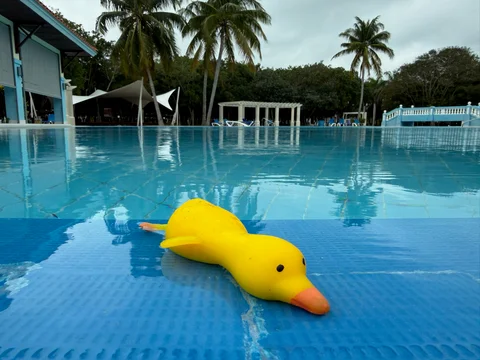
The image that best represents Varadero for me, though, is the swim-up bar. We sat in the pool drinking all-inclusive cocktails and making small talk with older Canadian tourists. I was curious about their experience of Cuba. From those conversations, Cuba seemed to occupy much the same place for them that Turkey does for many Russian holidaymakers: a familiar warm destination, relatively close to home. What had felt like a fairly improbable journey to us was an ordinary holiday for them.
Later, having booked dinner for the same time as them, we found ourselves sharing a table on one of their birthdays. They had dressed up and were wearing funny party hats. We had not been invited to a celebration; our dinner reservation had simply placed us in one.
The drinks supplied another small surprise. Getting a Cuba Libre in Cuba could be more complicated than expected. I had not anticipated arriving in Cuba and discovering that the difficult half of rum and Coke would be the Coke.
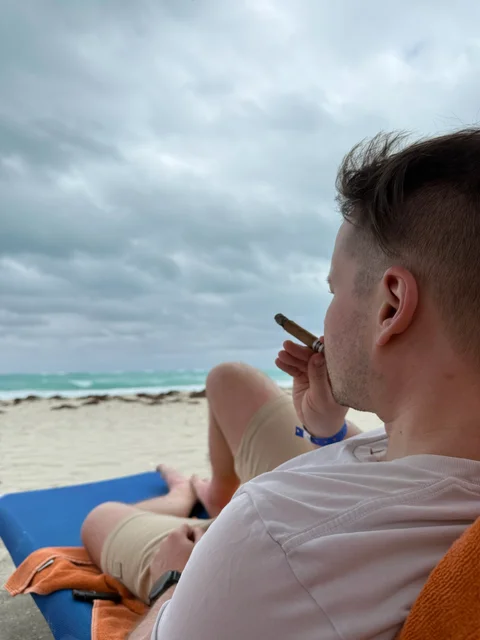
I had also wanted to smoke a cigar on the beach. A storm was starting to roll in, which made that rather more difficult than I had imagined.
We took very few photographs in Varadero. After the long trip across the island, we were finally relaxing, and I rarely thought about taking pictures.
Havana, Again
After Varadero, we stayed in Havana on our own. By then the city felt considerably more familiar, though I would not claim to have become entirely relaxed about it.
Our homestay in the old town was a casa particular, a private home where the owners rent rooms to travellers. The room was very small, and the toilet seemed to have been installed inside a cupboard. I mean this quite literally. As an alternative view of Havana, it was interesting. As accommodation for a romantic trip, I would probably make a different choice next time.
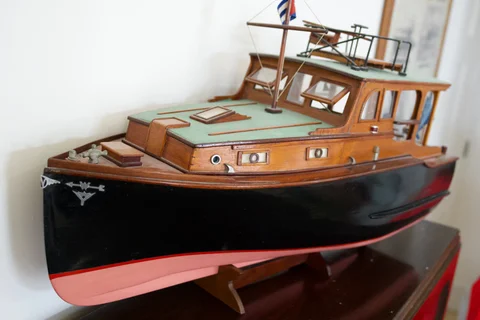
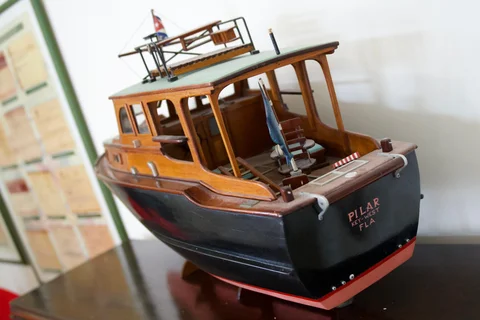
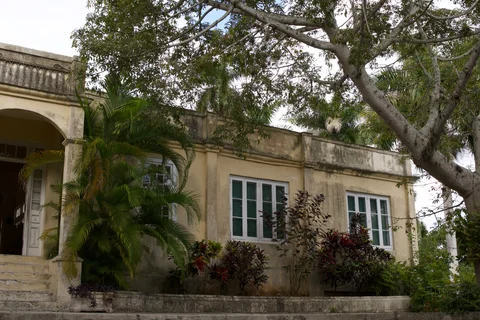
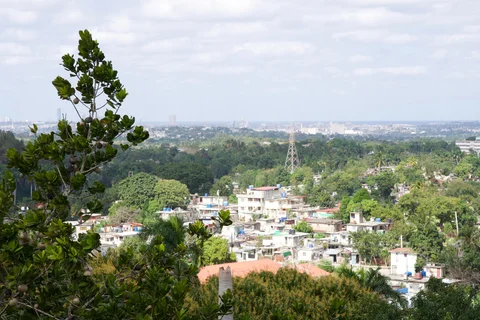
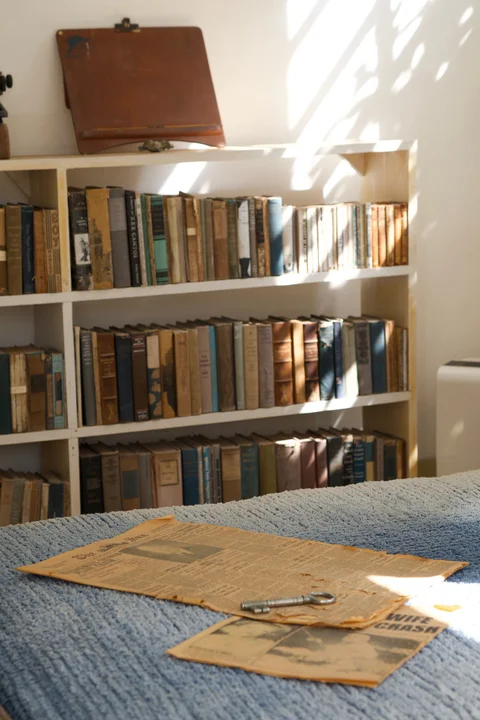
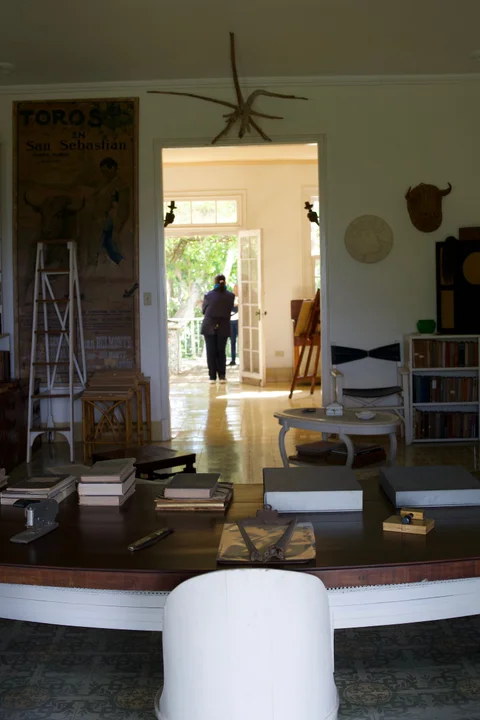
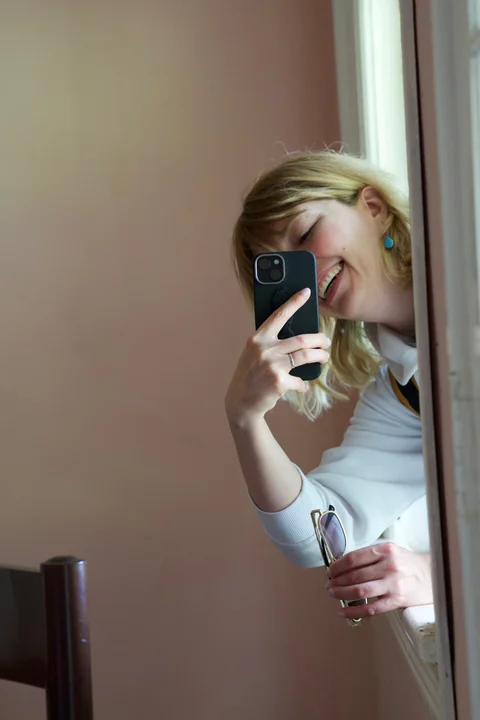
We arranged with our hostess for an acquaintance of hers to drive us out to Finca Vigía, Hemingway’s house in San Francisco de Paula, and then to Cojímar. The house was one of the places Lena had wanted to see long before we started planning the trip. We looked through the open windows into rooms full of books, with more books piled on the tables and hunting trophies on the walls. His study made a strong impression on me. I would happily have had one like it. His fishing boat, Pilar, was there too.
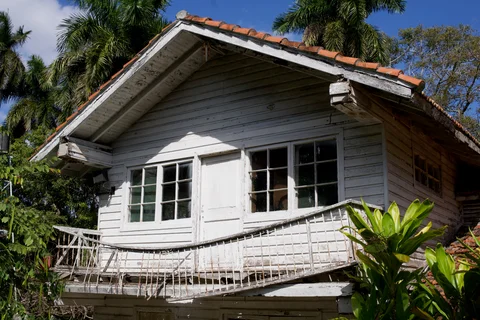
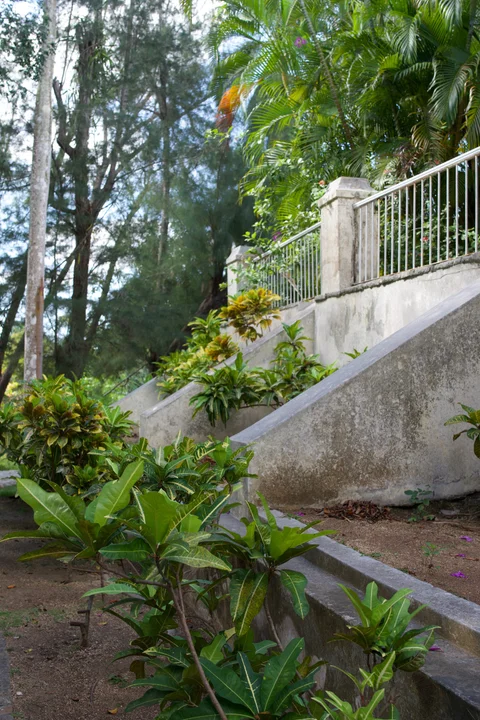
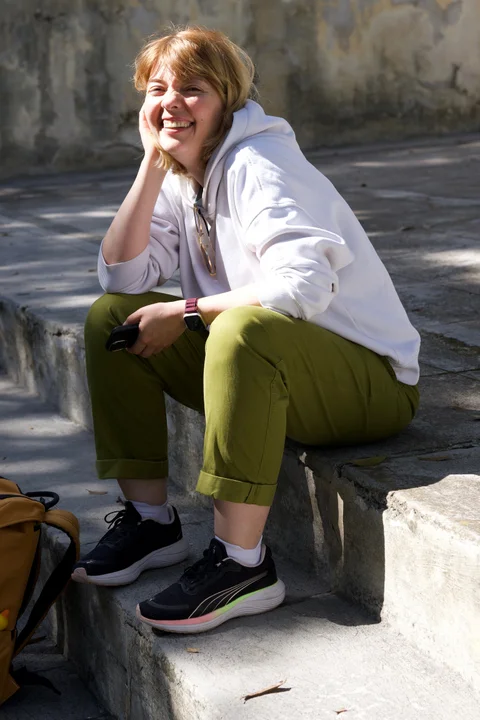
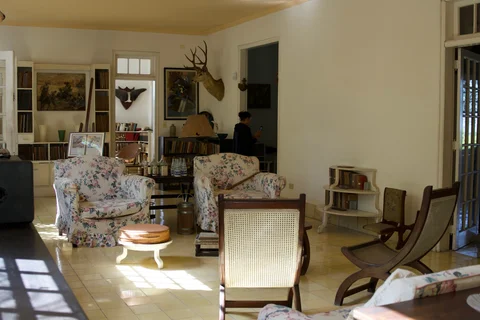
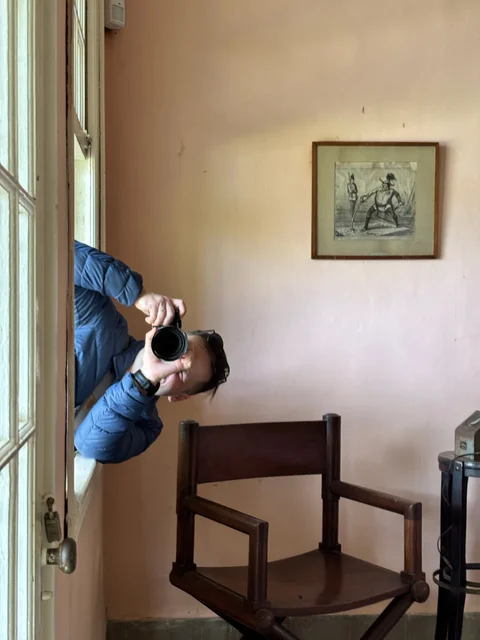
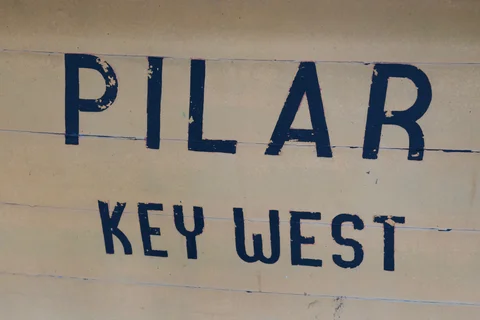
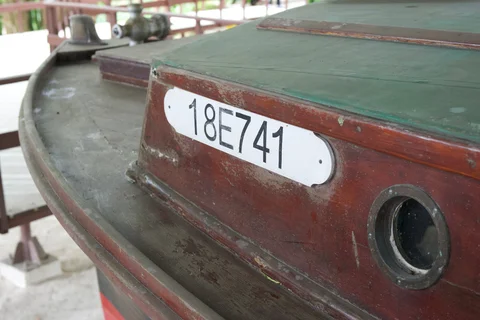
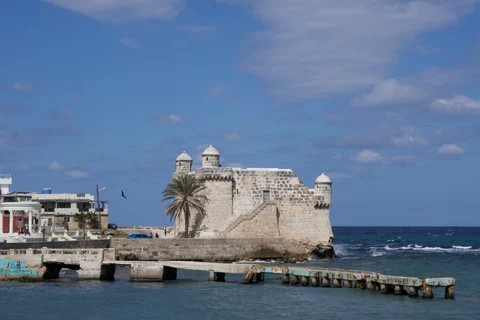
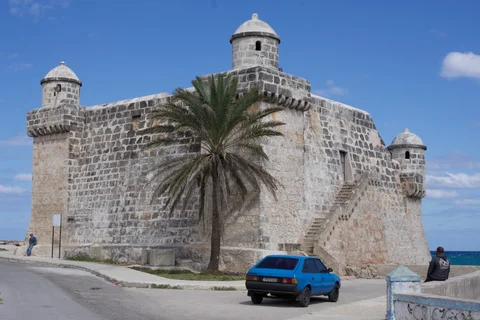
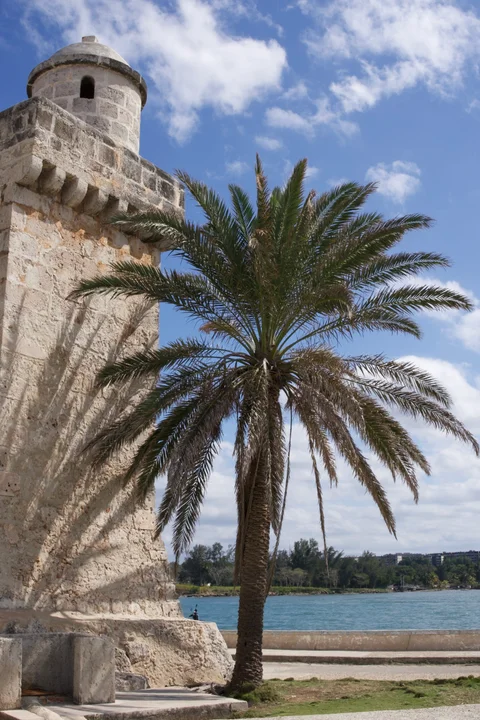
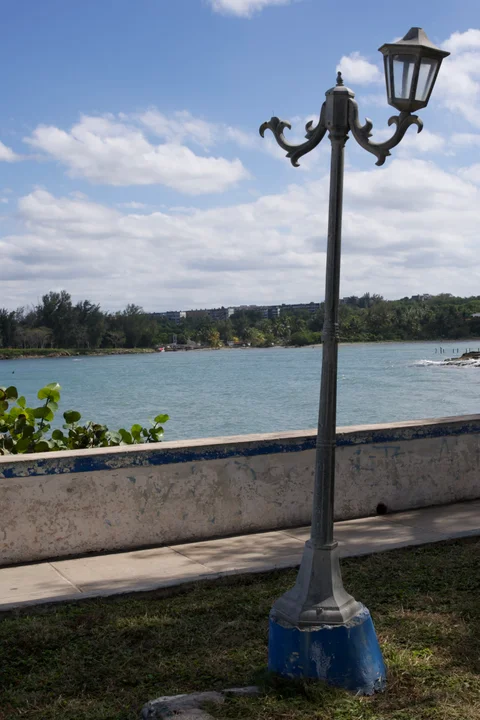
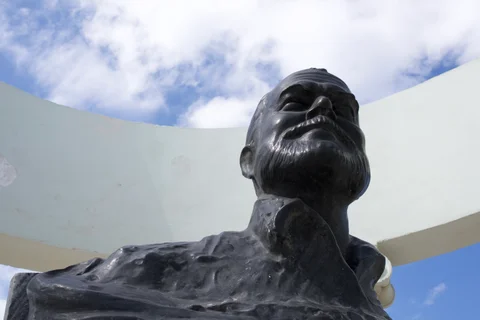
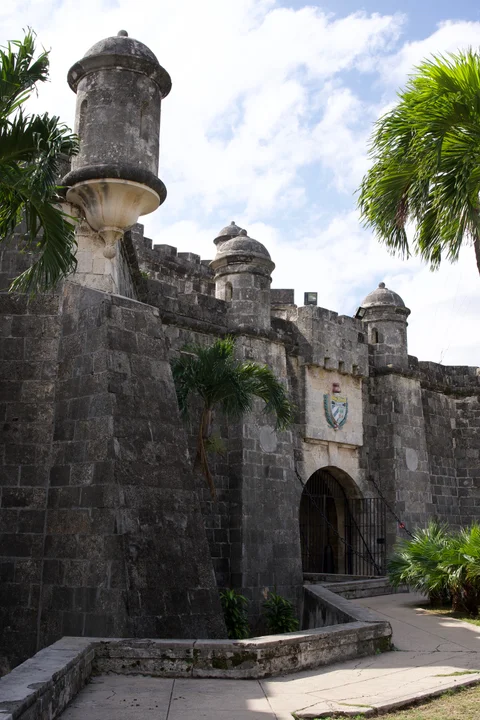
In Cojímar, we walked down to the shore, into Santiago’s world from The Old Man and the Sea. We saw the little waterfront fort and a bust of Hemingway nearby, and stopped for a bite at a restaurant. A pity we did not run into the great DiMaggio.
In the old town, we found a place for breakfast with wonderful coffee and sandwiches. For lunch, we went to a restaurant opposite the Capitol, where I fell in love with ropa vieja. It is one of the things I still miss.
My phone’s automatic translation rendered the menu item as something like “old clothes made from a pig,” then changed its mind and offered “a pig’s old clothes.” We found the distinction far funnier than was reasonable. Neither interpretation did much to diminish my appetite.
We spent these final days walking and doing the things we had not yet got round to. I bought rum to take home. Lena found a Hemingway medallion at a flea market. We had pesos left over and little prospect of converting them back into dollars, which gave us a reason to inspect more shops.
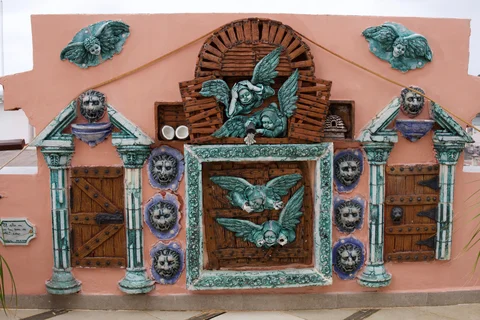
In one attractive workshop, we bought two little dishes and an ant made of wire. The dishes were beautiful, but turned out to be decorative objects meant to hang on a wall, rather than things we could use. The ant was an unqualified success. I keep ants at home, so he was a particularly appropriate find. He now stands on my shelf.
I usually like bringing back one object from a trip, something I can look at later and remember where it came from. Between the ant, the coconut pig, and the various drinking and apparently non-drinking vessels, I had been a little flexible about the number.
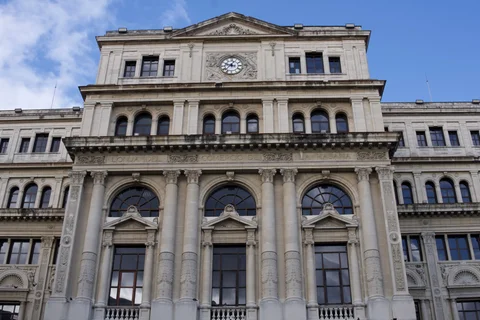
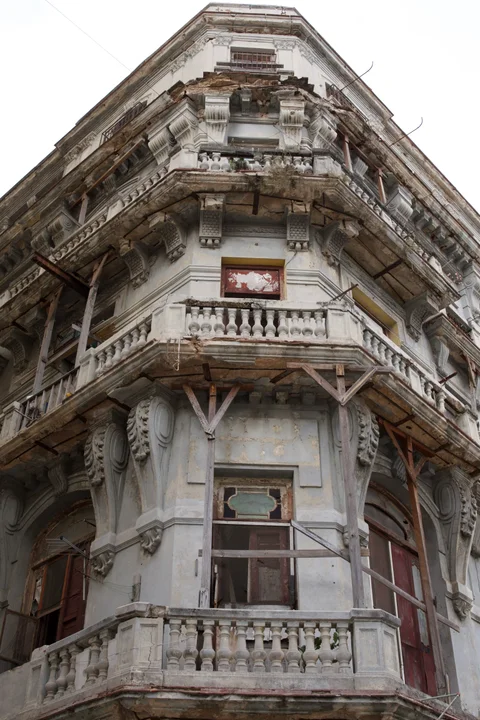
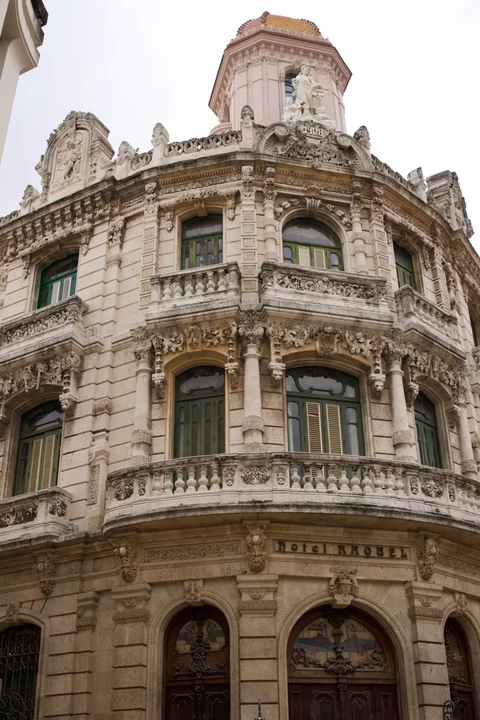
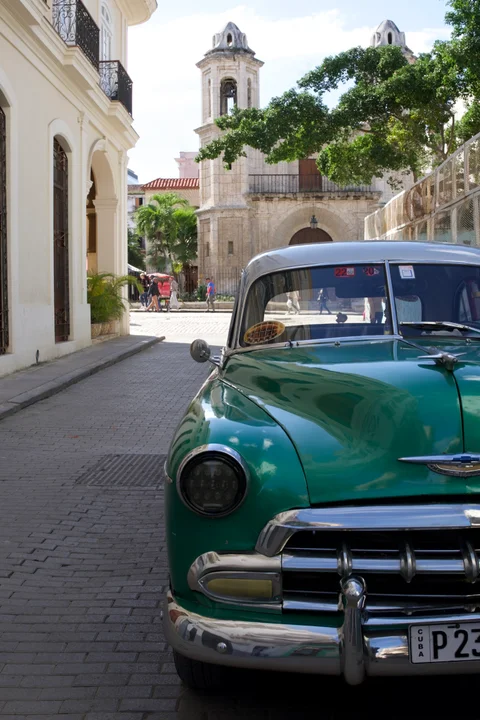
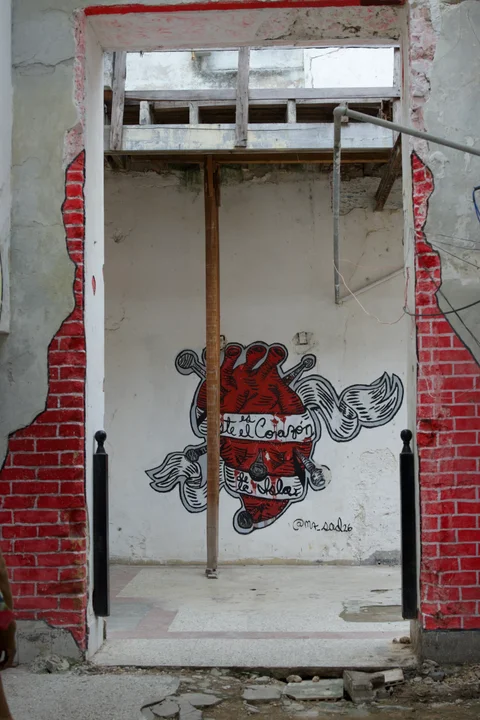
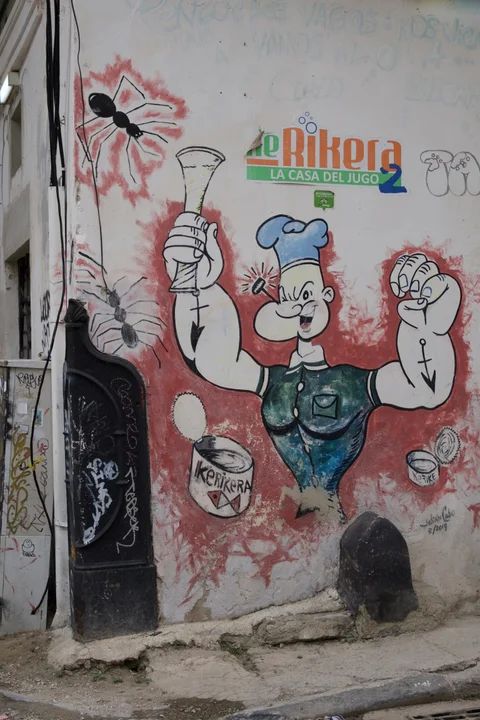
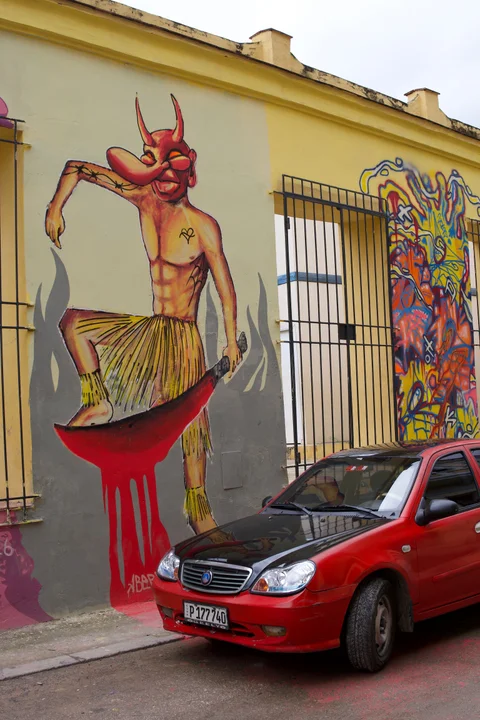
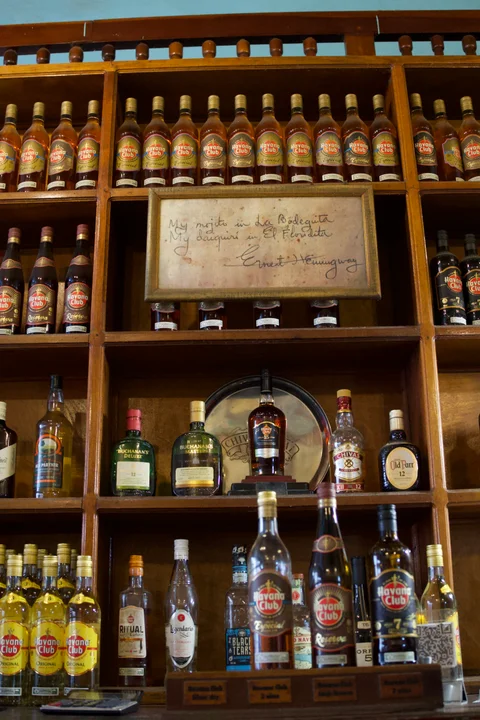
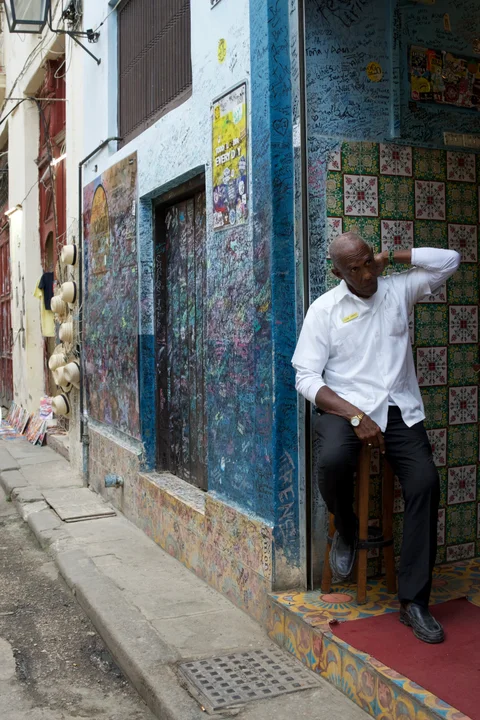
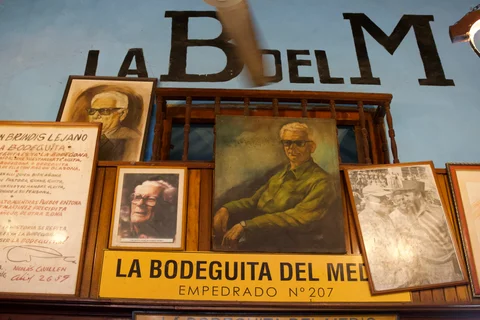
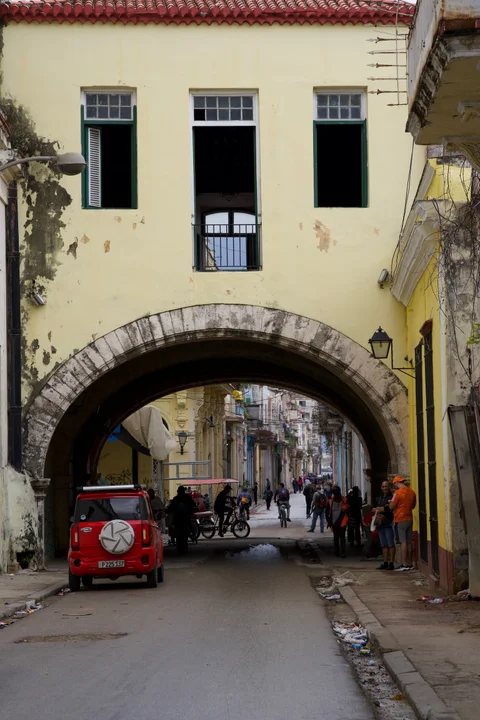
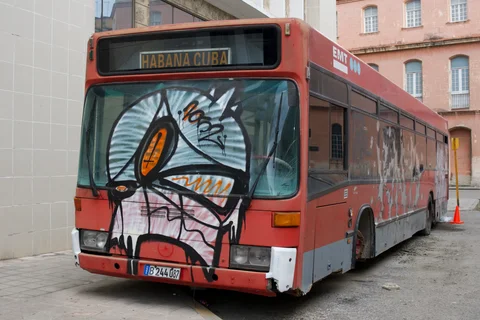
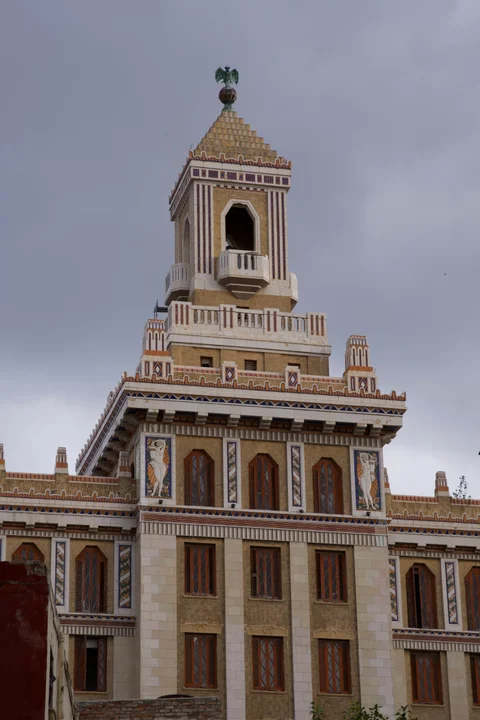
The buildings had not become less damaged during our absence. Some streets smelled unpleasant, and there were obvious problems with rubbish and cleanliness. I do not want to make that disappear from the account. But by this point I was also looking for the galleries and workshops, the places to eat, the things we had passed and wanted to come back to. I was enjoying walking around much more than I had at the beginning.
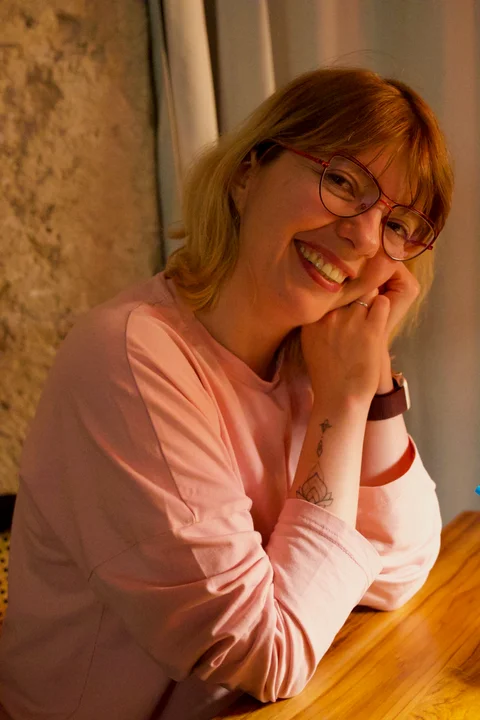
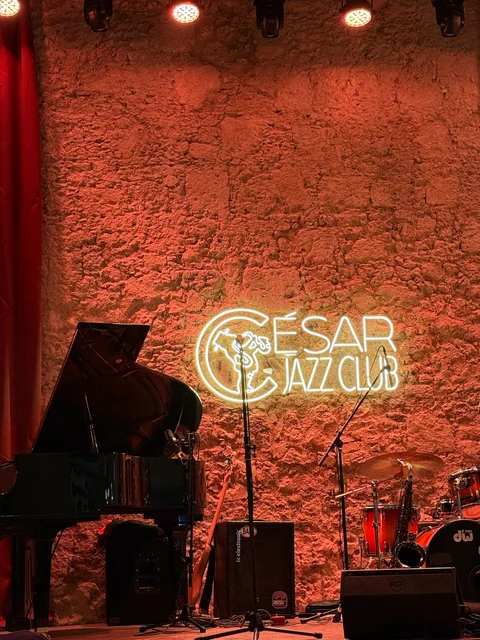
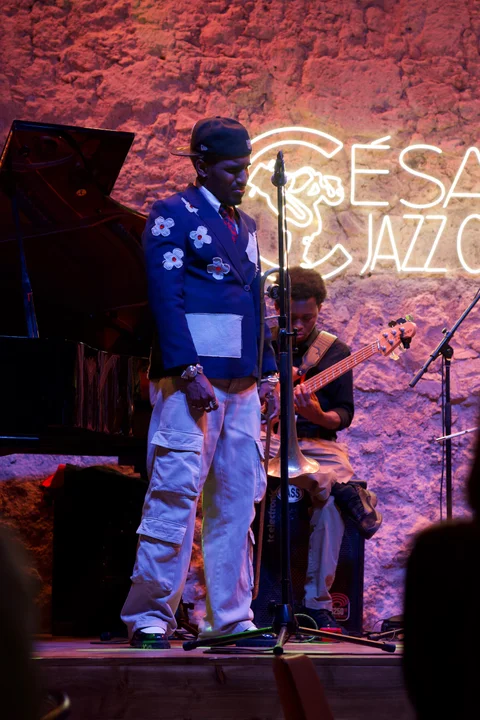
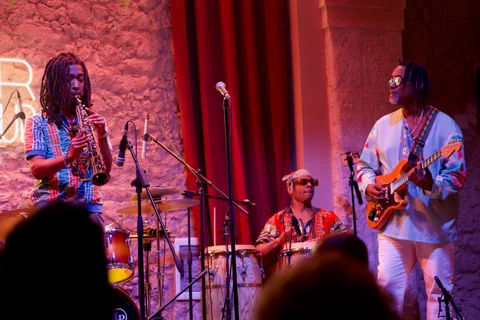
One evening we went to César Jazz Club. We had asked the day before whether we needed a reservation and been assured that there would be room.
Getting there meant crossing the old town after dark. We had walked the route perhaps ten times during the day, so we knew where we were going. At night there were hardly any people, and long stretches were dark. We aimed for the occasional patches of light. More than once, I wondered why I had decided this was a good idea.
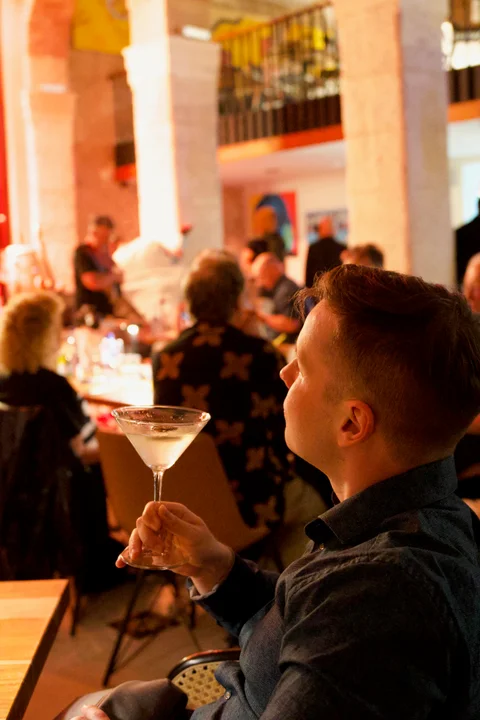
When we arrived, there were exactly two seats available, and only because someone had cancelled. We were very lucky.
I do not know who was playing. I love jazz, but I had not come with a particularly precise idea of what Cuban jazz was supposed to sound like. The music impressed me enormously. It was worth the walk, even if I had required some convincing along the way.
Going Home
By the time we left, I was ready to go home. A friend of our host drove us to the airport through the night-time city, in another beautiful old car.
At the airport we found a business lounge. None of my lounge-access programmes worked there, but it had internet. It also had water. We paid an unreasonable amount to get in and spent most of the wait there. I walked around the lounge because I still had a daily minimum step count to meet. Even at the end of a honeymoon, apparently, some things remained non-negotiable.
I miss the old cars on the streets, and I would very much like another plate of ropa vieja. But the change that has stayed with me most is how differently I now react to news from Cuba. I pay attention. I think about Marta, the man at the tobacco farm, the people working in those little galleries. I wonder how they are doing.
The country I had imagined before going was distant and rather abstract. The one I remember is much more alive, more vulnerable, and more capable of carrying on than I had understood. I met people I liked there. I hope things get easier for them.