Here I Am, Hello Everyone

I will immediately answer the question of where I disappeared for a whole year: I did not disappear anywhere. I am quietly living my life, even if it has changed a little lately.
Loading...
Page 5 of 7
I will immediately answer the question of where I disappeared for a whole year: I did not disappear anywhere. I am quietly living my life, even if it has changed a little lately.

A compact, current recipe for adding a swap file on Ubuntu: create the file, protect permissions, enable it, persist it in fstab, verify it, and know how to roll it back.

An archive note on using a post-merge Git hook to remind a team about database migrations, with a warning about its fragile shell logic.

A small, current Git setup: identity, default branch name, editor, credential helper, and a few aliases that make day-to-day work less noisy.
A short practical guide to ~/.ssh/config: create readable SSH aliases, pin the right user, port, and key, verify the final config, and avoid common agent-forwarding mistakes.
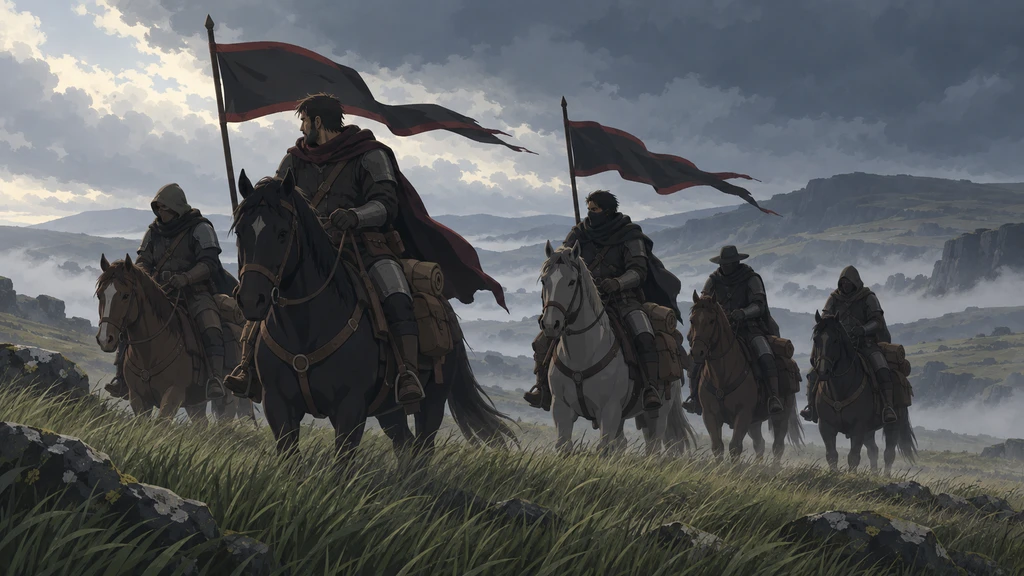
I became acquainted with Glen Cook quite a long time ago, but, as it turned out, through the back gate: I swallowed his entire series about detective Garrett and was very pleased with it.

I already knew the conclusion. Reading Darwin meant working through the observations and objections behind it, with more fatigue and more respect than a summary could convey.

Many years have passed since the time when I happily spent my leisure time fussing with insects during long summer school vacations.

I read Guns, Germs, and Steel with 'what if?' in mind. Diamond offers an absorbing answer to why history unfolded this way, even when I don't take it as the final answer.

A beaver's dam belongs in the picture of what its genes do. The Extended Phenotype follows that idea beyond the body; I found it harder than The Selfish Gene, but just as fascinating.