Event-Driven UI Without Turning Events Into a Mess
A practical browser-side event architecture: publish domain facts with EventTarget and CustomEvent, keep listeners independent, and know when an event bus is the wrong abstraction.
Loading...
Page 4 of 6
A practical browser-side event architecture: publish domain facts with EventTarget and CustomEvent, keep listeners independent, and know when an event bus is the wrong abstraction.
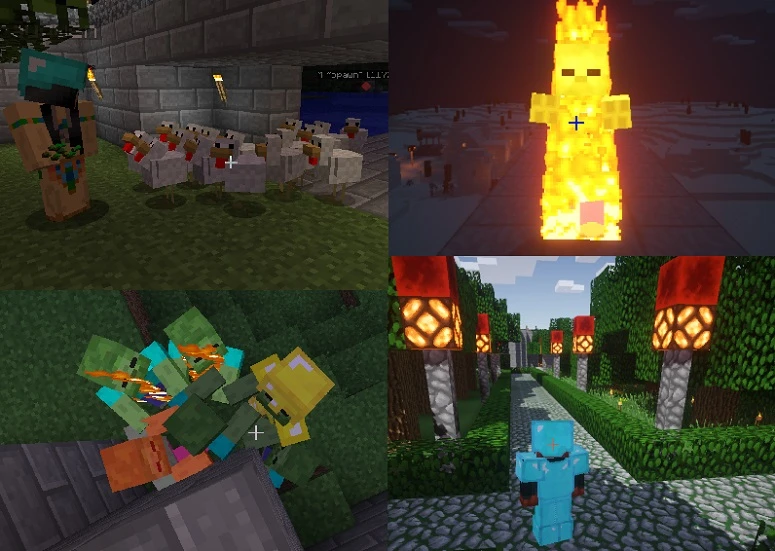
Virtual worlds can be very different. Some require a sharp eye, some quick reactions, and some a powerful graphics card.
I will immediately answer the question of where I disappeared for a whole year: I did not disappear anywhere. I am quietly living my life, even if it has changed a little lately.

A compact, current recipe for adding a swap file on Ubuntu: create the file, protect permissions, enable it, persist it in fstab, verify it, and know how to roll it back.

An archive note on using a post-merge Git hook to remind a team about database migrations, with a warning about its fragile shell logic.
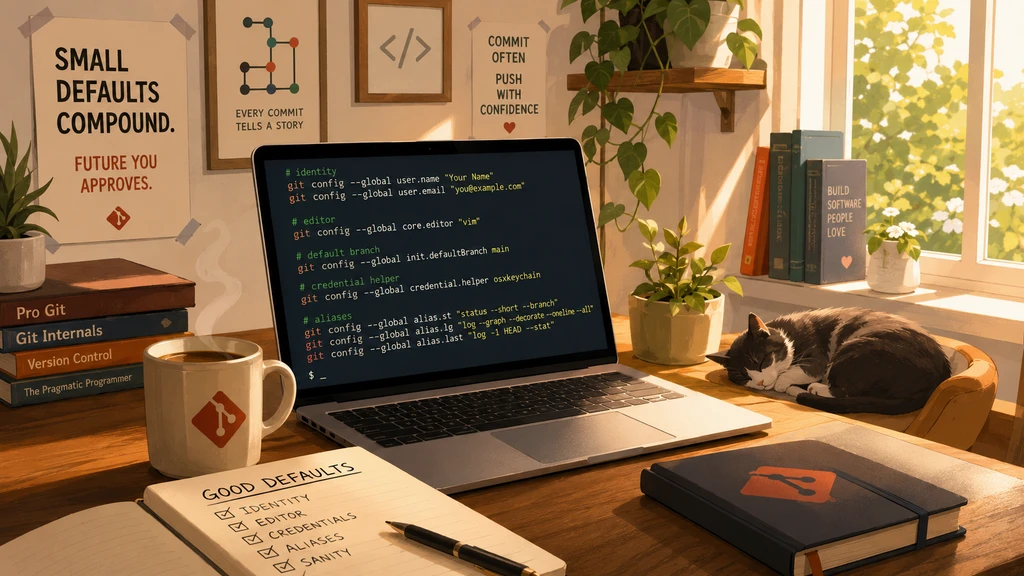
A small, current Git setup: identity, default branch name, editor, credential helper, and a few aliases that make day-to-day work less noisy.
A short practical guide to ~/.ssh/config: create readable SSH aliases, pin the right user, port, and key, verify the final config, and avoid common agent-forwarding mistakes.

I became acquainted with Glen Cook quite a long time ago, but, as it turned out, through the back gate: I swallowed his entire series about detective Garrett and was very pleased with it.
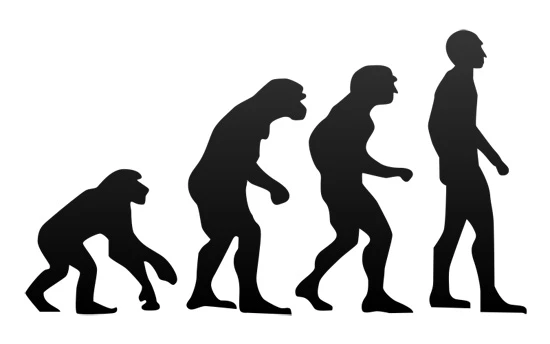
It is impossible to pass by this book if you are interested in evolutionary biology. And although science has moved far ahead since those distant days, it is interesting to learn where thinking in this field began.

Many years have passed since the time when I happily spent my leisure time fussing with insects during long summer school vacations.